

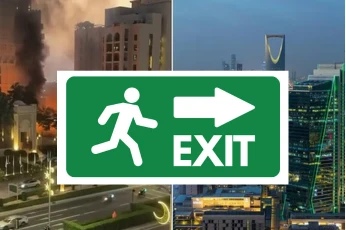
Strikes hit key locations in Dubai, with damage reported at Dubai International Airport and the Fairmont The Palm on Palm Jumeirah. The skyline near the Burj Khalifa was illuminated by explosions as regional tensions escalated rapidly.
The escalation marked a dramatic shift for Dubai, long considered one of the world’s safest luxury and financial hubs. The sky, which normally carries 1,400 flights a day, fell silent and empty.
The billionaires’ tax haven had become a warzone. And the super-rich, the very people who chose Dubai because it felt invincible, were already packing.
Read Also: Is Dubai Airport Open? Latest Situation
Iranian missiles and drones rained down on the UAE, Qatar, Bahrain, Kuwait, and Oman, all countries hosting American military bases or perceived as American allies.




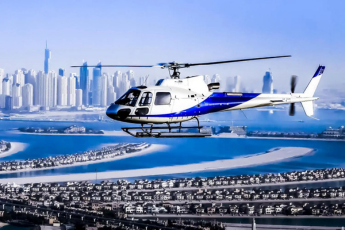
Dubai International Airport (DXB), which handled a record 95.2 million passengers last year, making it the world’s busiest international airport, sustained a direct strike on one of its concourses. A concourse sustained ‘minor damage,’ and four airport staff were injured.
A thick plume of smoke rose near DXB following a second major incident on March 1. On Palm Jumeirah, the global symbol of Dubai’s opulence, the Fairmont Hotel was left in flames after a drone strike.
Urgent Exit From Dubai?
Need to leave Dubai immediately and travel anywhere safely? Our team is available 24/7 for fast and trusted assistance.
OR SCAN TO CONNECT INSTANTLY

Scan using your WhatsApp camera to get our number instantly.
The sky over Dubai, usually saturated with aircraft, fell eerily empty. Highways that would normally be packed with tourist traffic were deserted. Finance workers posted grimly ironic messages online: ‘Moved to Qatar to hide from taxes, now I am hiding from missiles.
Wall Street came to Dubai, too, and now it’s scrambling. Goldman Sachs, JPMorgan Chase, Citigroup, Commerzbank, and Nomura Holdings all instructed Dubai employees to work from home or shelter in place, avoiding embassies and military installations.
Several hedge funds immediately began reviewing their business continuity plans. The Dubai Financial Services Authority announced the closure of Nasdaq Dubai for March 2 and 3. Stock markets in Dubai and Abu Dhabi halted trading.
The scale of aviation disruption is staggering. More than 20,000 travelers were stranded by UAE airport closures alone. Worldwide, close to 6,000 flights were cancelled and nearly 30,000 were delayed as a result of the regional conflict.
Lufthansa suspended flights to Dubai until March 4. British Airways cancelled Tel Aviv and Bahrain routes until Wednesday.
Etihad and Emirates suspended regular schedules, operating only limited evacuation windows. More than 90% of scheduled Dubai departures remained cancelled as of March 3.
The British government, with over 102,000 registered nationals in the region, began drawing up plans for a mass evacuation ‘by air, land, or sea.’ Thailand announced it was readying military or charter flights for its 110,000 nationals in the region.
The US State Department issued a global security alert urging citizens to ‘exercise extreme caution’ and enroll in the Smart Traveler Enrollment Program (STEP). President Trump stated the conflict could last ‘several weeks.
Riyadh: The World’s New Emergency Exit Hub
In a dramatic reversal of fortunes, Riyadh, once seen as a riskier Gulf city with a history of Houthi rocket attacks and strict social rules, has emerged as the single most important evacuation hub on the planet as of March 2–3, 2026. Here is why, and how to get there.
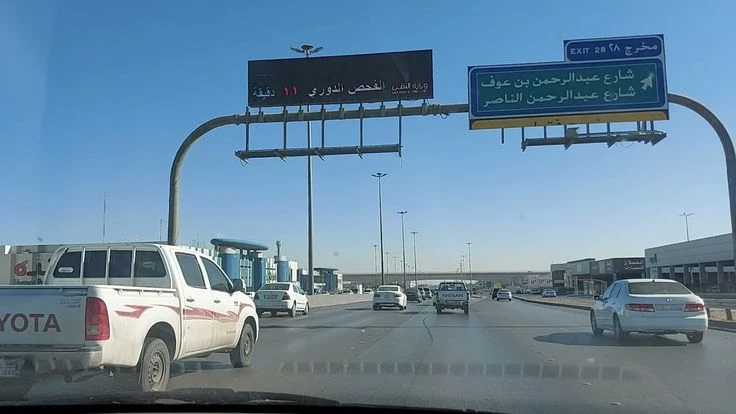
Saudi Arabia is the only real option for people who want to get out of the region right now.
— Ameerh Naran, CEO of Vimana Private (private jet brokerage), as reported by Semafor, Daily Mail, and Arab News.
Why Riyadh Has Become the Exit Hub
King Khalid International Airport (RUH) in Riyadh, located approximately 35km north of the city centre, is currently the only major airport in the wider Middle East still operating at meaningful capacity.
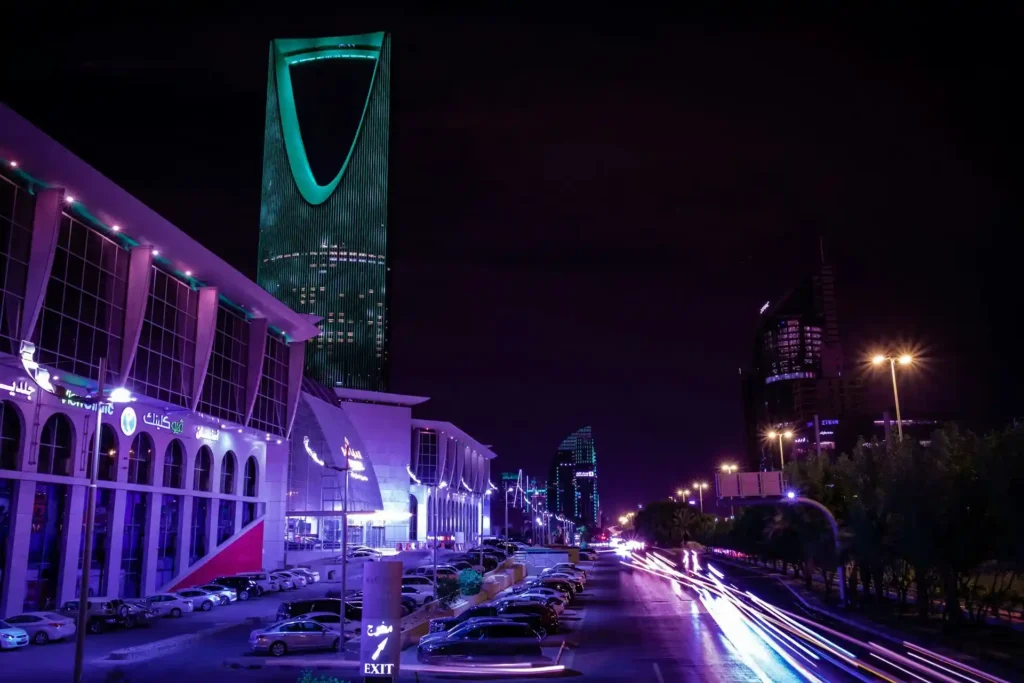
Saudi Arabia’s Crown Prince Mohammed bin Salman explicitly distanced the Kingdom from the US-Israel strikes on Iran, declaring that Saudi airspace and land would not be used for attacks on Tehran.
This neutrality declaration appears to have spared Riyadh from the full force of Iranian retaliation, even though Saudi Arabia intercepted several inbound missile strikes targeting the airport on Saturday, March 1.
The Saudi capital has also recently loosened its visa requirements, allowing many nationalities to obtain visas on arrival rather than arranging them weeks in advance, dramatically improving its accessibility as an emergency transit hub.
King Khalid International Airport has five passenger terminals and operates regular routes to Europe, the US, Asia, and Africa, making it a genuine launchpad to global safety once you arrive.
The 10-Hour Desert Road: Dubai to Riyadh by SUV Convoy
With air and sea routes largely closed, private security companies have mobilised fleets of armoured and executive SUVs to ferry wealthy VIPs, senior executives, and families on the 10-hour desert drive from Dubai to Riyadh.
This has become the dominant escape method for those who can afford it, and prices have skyrocketed accordingly.
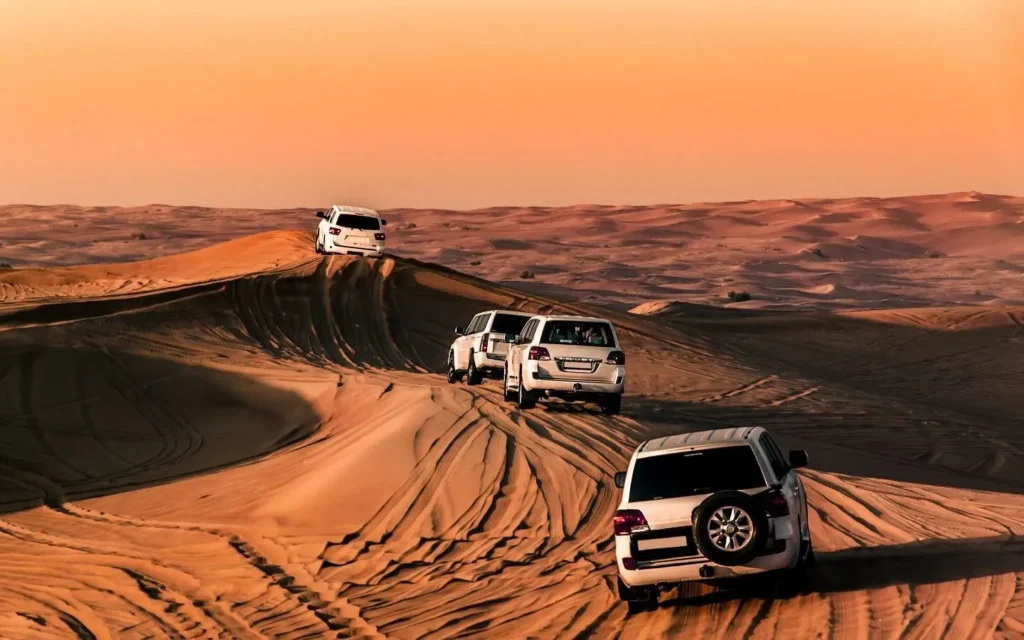
▶ Who is being evacuated: A mix of senior executives at global financial firms, high-net-worth individuals in the region for business or holidays, and expatriate families, according to people familiar with the arrangements.
▶ Cost of ground transfer: Private SUV convoy prices have surged significantly from normal rates. Expect AED 8,000–25,000+ per vehicle for a full Dubai–Riyadh overland private transfer.
▶ Security firms operating: UK-based Alma Risk (director Ian McCaul confirmed to Semafor they have been ‘approached by a mixture of clients including families, individuals, and corporations’), alongside other Gulf-based private security operators.
▶ Route: The E11/Abu Dhabi–Al Ain highway, then crossing into Saudi Arabia at the Batha border crossing, then via the Dammam–Riyadh highway. Total distance: approximately 970km.
▶ Timing: Recommended to travel during daylight hours only. Monitor UAE and Saudi emergency alerts throughout the journey.
From Riyadh: Private Jet Options to Depart the Region
Once you reach Riyadh’s King Khalid International Airport, the global private jet market — though severely stretched by demand, is still operating. However, the cost of getting out is extraordinary.
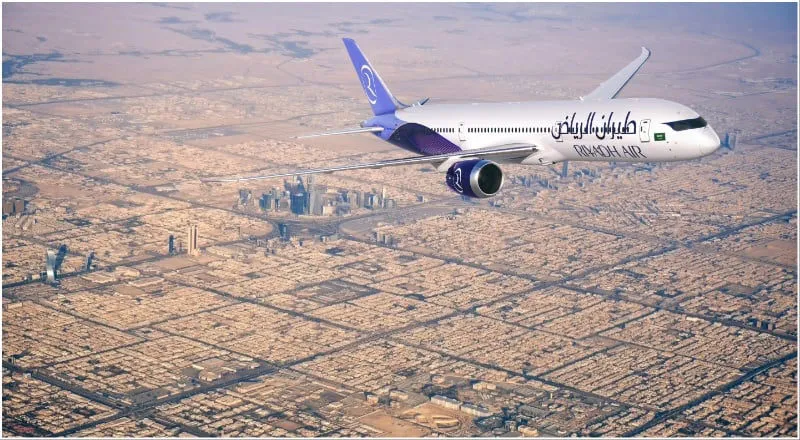
A private jet flight from Riyadh to Europe currently costs up to $350,000 USD (approx. £260,000 or AED 1.28 million).
These are not advertised rates — these are real-time emergency market prices driven by the sudden surge in demand from stranded Gulf residents.
📰 Source: Ameerh Naran, CEO of Vimana Private, reported by Semafor, Daily Mail, and Arab News.
▶ Vimana Private: Specialist private jet brokerage with Gulf expertise. CEO Ameerh Naran is the leading quoted source on pricing. Contact immediately upon arrival in Riyadh.
▶ VistaJet: Operates a global fleet and has emergency response protocols for conflict evacuations. Based in Malta with Gulf operations.
▶ Air Charter Service (ACS): UK-based with 24/7 emergency charter desk. Has a Riyadh presence and routes confirmed to London, Paris, Zurich, and Geneva.
▶ NetJets: Premium fractional jet ownership/charter. Existing members may be able to call in priority departures.
▶ Destinations currently being serviced from Riyadh: London Heathrow, Paris CDG, Frankfurt, Zurich, Geneva, Dubai (limited), Mumbai, Singapore, and New York (ultra-long range only).
Commercial Flight Options From Riyadh
For those without access to private aviation, Riyadh’s airport has also seen a surge in commercial flight bookings. Saudia (Saudi Airlines) is one of the few carriers still operating meaningful scheduled services from the region, though flights to certain destinations (Kuwait, Dubai, Doha, Bahrain) remain suspended.
Air Arabia has suspended UAE operations but is still operating from Riyadh. Turkish Airlines, Lufthansa, and Emirates offer varying levels of connectivity to Riyadh. Book immediately, seats are filling rapidly.
Alternative Exit Routes — Before Riyadh or If Roads Are Blocked
Option A: Al Maktoum International (DWC) — Private Charter from Dubai Itself

While Dubai International (DXB) remains severely compromised, Al Maktoum International (DWC), located in Jebel Ali, 37km south of central Dubai, was operating limited charter departures as of March 2, 2026.
Emirates confirmed plans to restart operations from this facility. Private jet operators ExecuJet, Jetex, and DC Aviation Al Futtaim all have facilities at DWC. If you are chartering privately from within Dubai, this is your best departure point.
Current viable routing: south over the Arabian Sea through Oman airspace (which partially reopened in a limited corridor), then west through Egypt, or east to India.
Option B: Helicopter to Fujairah (UAE East Coast)
Fujairah International Airport, on the UAE’s east coast facing the Gulf of Oman rather than the Persian Gulf, remains operational and is shielded by geography from the strike corridors affecting Dubai and Abu Dhabi.
A helicopter transfer from Dubai’s private helipads (Dubai Marina, DIFC, Palm Jumeirah towers, and luxury hotels) to Fujairah takes approximately 25–35 minutes and can be arranged through Falcon Aviation Services, Abu Dhabi Aviation, or Helitours UAE.
From Fujairah, limited charter flights to Mumbai, Colombo, Nairobi, and Seychelles are available. Estimated helicopter cost: AED 8,000–20,000 per flight hour for an AW139 or H225 class aircraft.
Option C: Maritime — Yacht or Boat to Muscat (UPDATE: ROUTE PARTIALLY BLOCKED)
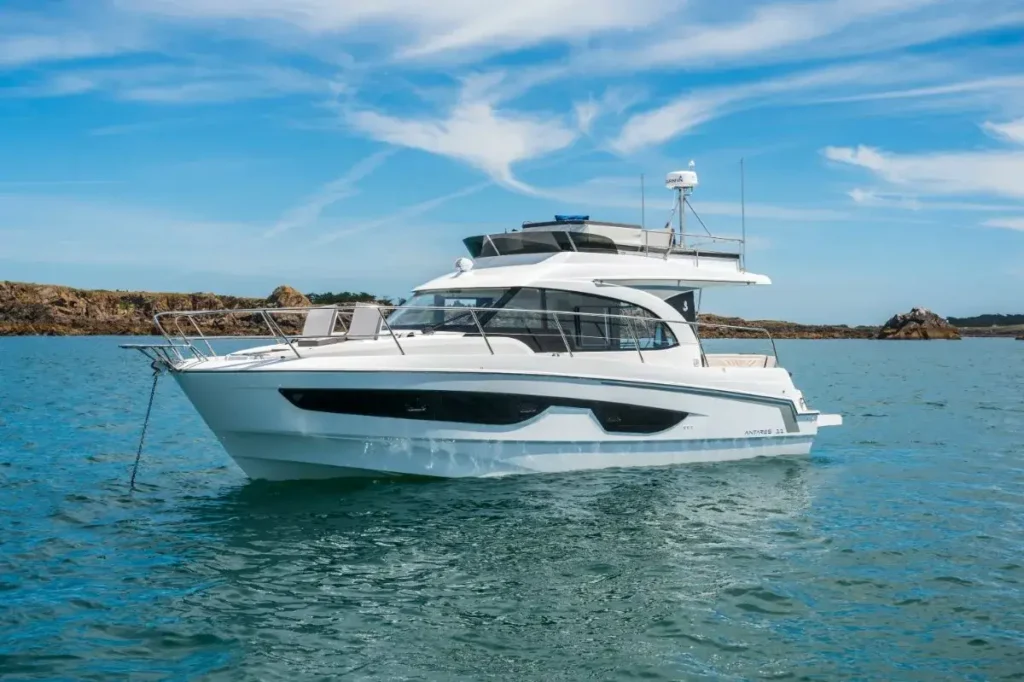
IMPORTANT UPDATE: Iran struck an oil tanker in the Strait of Hormuz and bombed Oman’s Duqm port on Sunday, March 1. This significantly disrupted the Oman maritime route that security firms initially relied upon.
However, Khasab in the Musandam Peninsula (approximately 120 nautical miles from Dubai) remains accessible as a shorter maritime option, and Muscat is still reachable via the Gulf of Oman with appropriate caution and current intelligence.
If maritime evacuation is your plan, contact maritime security operators for real-time Strait of Hormuz safety assessments before departing.
Option D: Ground – Other UAE Border Crossings to Oman
The UAE–Oman land border crossings via Hatta (Al Hilli) and Tibat remain potentially viable for ground-based exits to the Musandam Peninsula or inland Oman, even if the Duqm port is compromised.
The road journey from Dubai to Muscat via the Khatm Al Shikla border crossing takes approximately 4.5 hours. Oman’s Muscat International Airport (MCT) resumed limited operations as of March 2 and offers onward connections to India, East Africa, and beyond.
How the Ultra-Wealthy Are Already Evacuating?
The scenes playing out at Gulf airports, on desert highways, and in luxury marina berths are a real-time case study in how the world’s wealthiest respond to existential threat. Here is what has actually been observed on the ground:
▶ Socialite Hofit Golan (influencer, 40): Was at the Fairmont Hotel on Palm Jumeirah when the drone strike hit. Forced to hide in a bath. Still insisted Dubai ‘feels like a very safe place’ on social media — hours before fire engulfed the building.
▶ Finance workers: Posting videos from balconies of missile interceptions overhead, making dark jokes about trading tax havens for missile shelters.
▶ JP Morgan / Citi staff: Ordered to shelter in place or work from home. Executives discussing relocation of Dubai office operations if the conflict extends beyond two weeks.
▶ Tennis star PV Sindhu (India): Was at Dubai Airport when the second strike hit. Her coach had to run from smoke and debris. She described it as ‘extremely tense and scary.’
▶ Dymon Asia (hedge fund): Senior executives discussing contingency plans for their Dubai office as conflict continues.
▶ One Dubai portfolio manager quoted on eFinancialCareers: ‘If it’s just a few days of sheltering and there are minimal casualties then the UAE could come out of this very strongly within one or two years.’
▶ Anonymous finance worker on X: ‘Moved to Qatar to hide from taxes, now I am hiding from Missiles.’ — widely shared quote capturing the dark irony of the situation.
The World’s Safest Countries to Relocate – Ranked for 2026
Once you have successfully exited Dubai via Riyadh, Fujairah, Muscat, or another corridor, the next critical question is: where do you go to genuinely be safe, and build or wait out the war?
Based on the Global Peace Index 2025, Numbeo Quality of Life Index 2025, current geopolitical neutrality status, and ease of immigration, here are your best options ranked by tier:
TIER 1: Maximum Safety – Formally Neutral Nations
🇮🇸 Iceland – #1 Safest Country on Earth
Iceland has ranked first on the Global Peace Index every single year since 2008. It has no standing army, is not a member of any military alliance beyond NATO’s peripheral structures, has minimal crime, and sits geographically further from the current conflict zone than any other European destination.
Quality of life is exceptional and the country is stable financially. For families who need to feel completely removed from the Middle East conflict, Iceland is the ultimate answer.
▶ Entry: Schengen visa or D-visa for long stays. Many nationalities enter easily.
▶ Best for: Families, remote workers, those seeking maximum distance from conflict.
▶ Cost of living: High, but offset by safety and quality.
🇮🇪 Ireland – #2 Global Peace Index, Neutral & English-Speaking
Ireland’s military neutrality is a constitutional cornerstone of its foreign policy. It ranks second on the Global Peace Index 2025, is fully English-speaking, and the Irish Immigrant Investor Programme (IIP) offers fast-tracked residency for high-net-worth individuals with a minimum €500,000 investment threshold.
▶ IIP Residency: €500,000 minimum investment, fastest EU residency path.
▶ Best for: English-speaking professionals, investors, families.
🇨🇭 Switzerland – The World’s Historic Safe Haven
Switzerland has been formally neutral since 1815, sat out both World Wars, and hosts the UN, the Red Cross, and the world’s most protected financial infrastructure. It ranks in the top 5 globally on the Global Peace Index 2025. Zurich ranks 8th in city safety globally. The Swiss Lump-Sum Taxation regime allows wealthy foreigners to establish residency based on living expenses rather than income, a highly favourable arrangement for Gulf expats accustomed to tax-free living.
▶ Residency: C-Permit or Lump-Sum Tax residency for HNWIs.
▶ Best for: Wealth preservation, long-term family safety, financial sector professionals.
TIER 2: Excellent Safety – Easy Access from Exit Points
🇸🇬 Singapore – Asia’s Safest Hub
Singapore ranks 6th on the Global Peace Index 2025 and 7th in global city safety rankings. It is reachable from Riyadh, Muscat, or Mumbai in 6–8 hours.
The Global Investor Programme (GIP) offers permanent residency for SGD 2.5 million (~$1.9M USD) minimum investments. World-class healthcare, education, and financial infrastructure make it ideal for long-term Gulf expat relocation.
▶ GIP Residency: SGD 2.5 million investment, full PR within 3–6 months.
▶ Best for: Business owners, investors, families, especially those with school-age children.
🇬🇪 Georgia (Tbilisi) – Fastest & Cheapest Safe Haven Right Now
Georgia has emerged as the most accessible immediate safe haven in the world. Citizens of over 95 countries can enter visa-free for up to 365 days with no prior application required.
The cost of living is extremely low (comfortable life for $1,500–2,500/month USD), banking is open and accessible, and the country is politically neutral with zero involvement in the Middle East conflict.
Tbilisi is already a proven refuge for conflict-displaced expats. Direct flights from Riyadh to Tbilisi are available and currently operating.
▶ Entry: Immediate visa-free for most nationalities, land at Tbilisi airport with a passport and you’re in.
▶ Best for: Anyone needing immediate low-cost safety, digital nomads, mid-income evacuees.
▶ Flight from Riyadh to Tbilisi: Approximately 3.5 hours, one of the most accessible routes from the exit hub.
🇲🇾 Malaysia – Affordable Luxury for Gulf Families
Malaysia offers the Malaysia My Second Home (MM2H) programme, one of the most established long-stay residential visa programmes in Asia.
Kuala Lumpur is Muslim-majority, culturally familiar for Gulf expats, and offers world-class private healthcare at 30–50% of Western costs. The cost of living is a fraction of Dubai’s.
▶ MM2H Programme: Fixed deposit of MYR 500,000 (~$110,000 USD) for under-50s.
▶ Best for: Families, retirees, those seeking a culturally familiar Muslim-majority environment.
🇵🇹 Portugal – Europe at Its Most Affordable
Portugal ranks 7th on the Global Peace Index 2025 and consistently tops expat quality-of-life surveys. The Golden Visa (from €250,000 via investment funds) provides full EU residency and a pathway to Portuguese citizenship, and with it, access to 27 EU countries. The D7 passive income visa is available to those with stable income of approximately €760/month.
▶ Golden Visa: From €250,000 (investment funds route).
▶ D7 Visa: Passive income route, one of the easiest in Europe.
▶ Best for: Long-term EU settlement, lifestyle seekers, families planning for children’s EU education.
TIER 3: Regional Options – Close, Accessible, Relatively Safe
🇹🇷 Turkey – Close to the Region, Strategically Neutral
Turkey maintains diplomatic ties with all parties in the current conflict and has not taken sides militarily.
Istanbul is 3–4 hours from Riyadh by air, and the Turkish Citizenship by Investment programme remains available: a real estate purchase of $400,000 grants full citizenship within 3–6 months.
Turkey is best as a 6–12 month transit hub rather than a permanent destination, but it is ideal for Gulf expats who want to remain relatively close to the region while staying safe.
▶ Citizenship by Investment: $400,000 real estate purchase.
▶ Residency (shorter path): $200,000 property purchase.
🇰🇪 Kenya (Nairobi) – Africa’s Neutral Hub
Nairobi’s Jomo Kenyatta International Airport (NBO) is reachable from Riyadh via a direct flight. Kenya is politically neutral, geographically distant from the conflict, and is home to the UN’s Africa headquarters, reflecting its regional stability.
The Special Investor Visa (Class G) provides straightforward access for investors and long-stay visitors.
🇯🇵 Japan – Ultra-Safe, Remote, and Fully Functional
Japan ranks 9th on the Global Peace Index 2025. Tokyo and Osaka are among the safest major cities in the world. The Highly Skilled Professional Visa (HSP) and the newer J-Skip and J-Find visa programmes offer residency pathways for qualified individuals.
Japan is reachable from Riyadh via non-stop flights to Tokyo Narita and Osaka Kansai (approximately 10–11 hours).
Emergency Exit Checklist – Execute This NOW
Time is the most critical resource. The longer you wait, the more expensive and difficult every exit option becomes.
- SUVs are being booked.
- Private jet slots are filling.
- Act within hours, not days.
▶ DOCUMENTS FIRST: Gather all passports (including children’s), visas, birth certificates, marriage certificates, property deeds, and insurance documents. Upload digital copies to Google Drive, iCloud, or Dropbox immediately.
▶ CASH: Withdraw maximum available AED and USD cash from ATMs now, as banking systems may fail with extended conflict. Carry a minimum of $5,000–10,000 USD equivalent in physical cash. Keep it in a money belt or concealed on your person.
▶ REGISTER WITH YOUR EMBASSY: Register on your government’s smart traveler program immediately: STEP (US), FCDO Registration (UK), SafeTravel (Australia). This puts you on the evacuation list.
▶ BOOK RIYADH TRANSFER: Contact a private security firm or luxury transport company for SUV convoy to Riyadh. Do not wait for commercial options.
▶ CONTACT JET BROKER: Call Vimana Private, Air Charter Service, VistaJet, or NetJets directly. Have your credit card or bank wire details ready, emergency charters may require immediate payment.
▶ PACK SMART (72-HOUR BAG): Passport, medications (30+ days supply), phone charger, portable power bank, change of clothes x2, $2,000 USD cash, water, energy bars. Laptops and valuables come second. Leave furniture and possessions behind.
▶ COMMUNICATION: Download offline maps (Maps.me), turn on WhatsApp/Telegram location sharing with your family, and purchase a portable satellite communicator (Garmin inReach Mini 2) if possible.
▶ MONITOR REAL-TIME: Flightradar24 (for airspace status), UAE GCAA website, your embassy’s emergency WhatsApp broadcast, and Gulf News / CNN for on-the-ground updates.
▶ REASSURE FAMILY: Contact immediate family and trusted contacts in your destination country. Give them your planned route and estimated arrival window.
▶ VALUABLES & ASSETS: Contact your bank about emergency wire transfers, safeguard passport and property documents, and note important account numbers, emergency contacts, and insurance policy numbers.
Final Analysis: Act Fast, Plan Smart
The transformation of Dubai from the world’s most aspirational city to an active conflict zone happened in under 48 hours.
The billionaires’ tax haven that attracted Goldman Sachs executives, hedge fund managers, tech entrepreneurs, and celebrity socialites is now a place where people hide in hotel bathtubs from drone strikes and pack 72-hour bags in penthouse apartments.
The evacuation infrastructure has responded, but at an extreme premium. Private security firms are running SUV convoys around the clock.
Jet brokers are answering phones at 3 am. Yacht captains are charting courses through contested waters. And Riyadh, once considered a riskier, more restrictive Gulf city, has become the unlikely gateway to global safety.
The data is clear: if you are in Dubai as of March 3, 2026, the best available exit sequence is: private vehicle to Riyadh (10 hours) → King Khalid International Airport → private charter or commercial flight to your safe destination.
If that is unavailable or too slow, the helicopter–Fujairah–India route is your secondary option. Maritime routes via the Strait of Hormuz are currently compromised but not entirely closed.
Once outside the conflict zone, the safest long-term destinations are neutral nations such as Iceland, Ireland, and Switzerland, or high-accessibility options such as Georgia (for immediate, affordable entry), Singapore (for wealth-class relocators with families), and Portugal (for EU residency rights).
Each of these countries offers genuine safety, immigration pathways, and a quality of life that can absorb displaced Gulf residents at any income level.
The cost of any exit is irrelevant compared to the value of your life and your family’s safety. The super-rich understand this — that is why they are already in Riyadh’s airport lounge.
🚨 If you can leave — leave now.
