
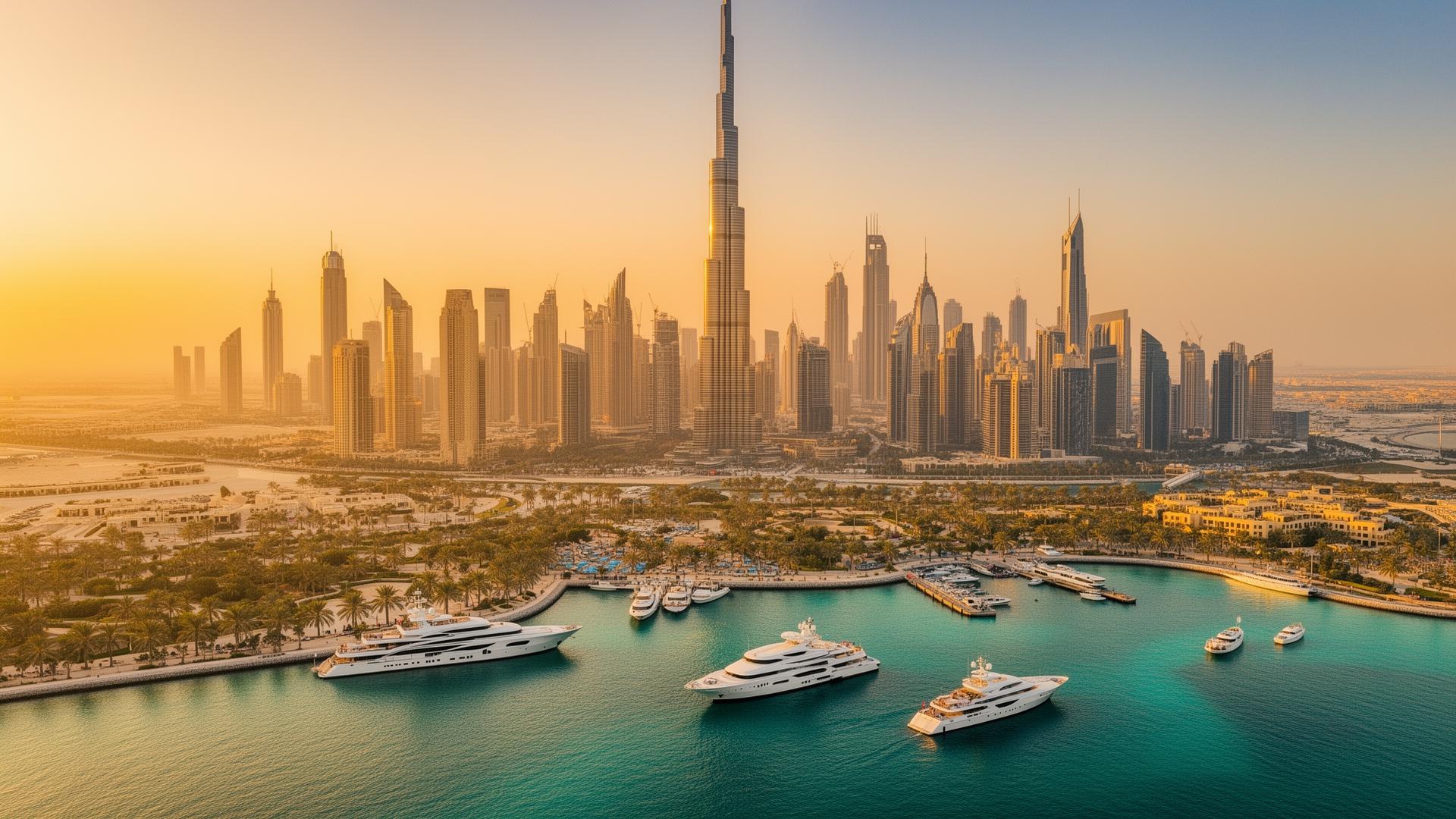
Luxury tours, golden beaches, world-famous landmarks, and real travel advice. Everything you need to make your Dubai trip unforgettable — all in one place.
From travel essentials to unforgettable experiences, we cover every part of Dubai. Browse our guides, book tours, and plan your trip without the stress.
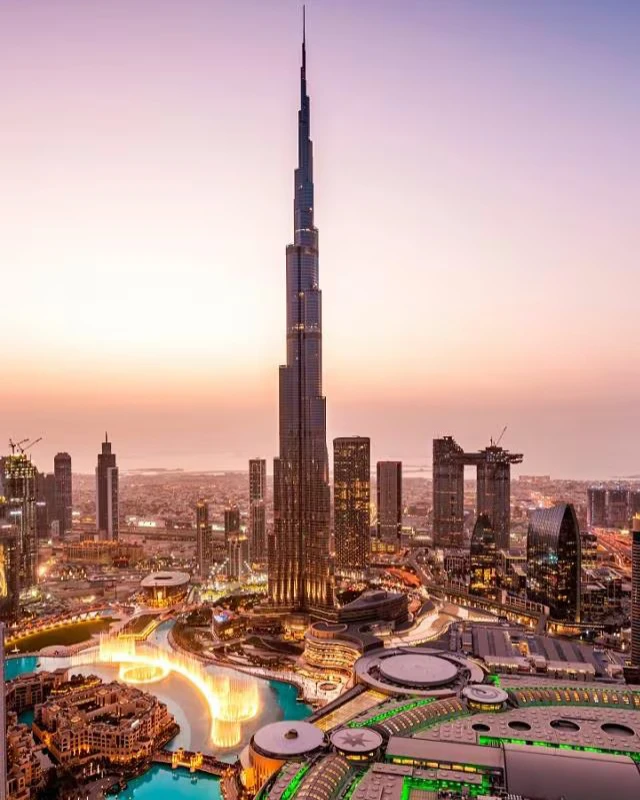
Flight tips, airport guides, and transport options to get around Dubai with ease.
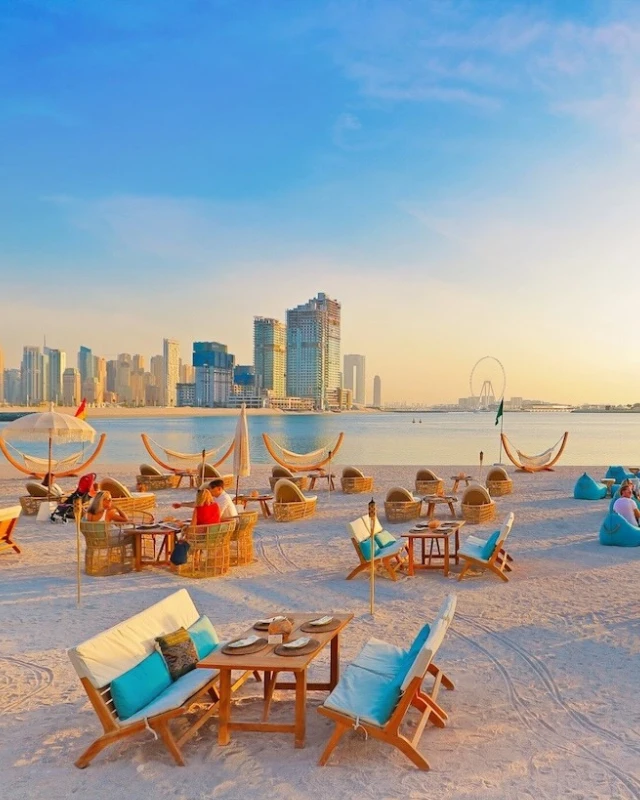
Find the best beaches, beach clubs, and waterfront spots for swimming and relaxing.
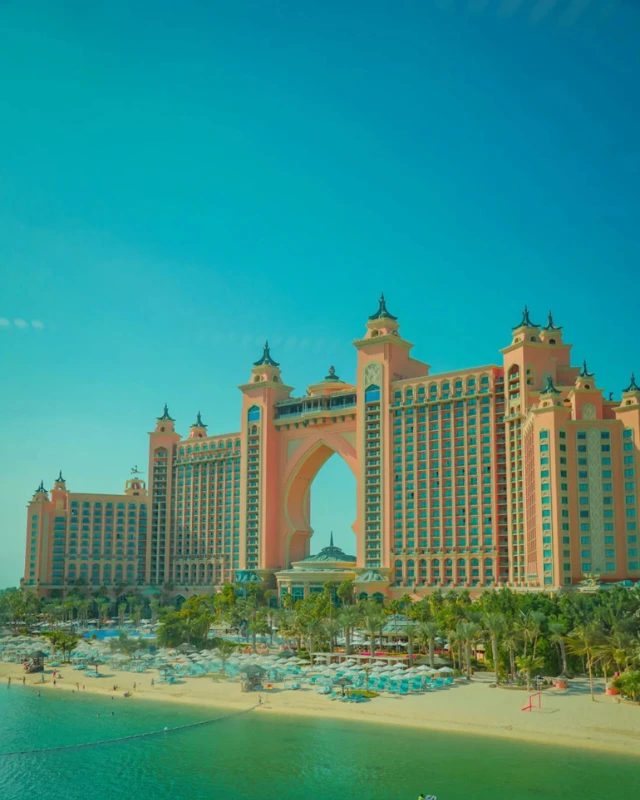
Shopping malls, adventure sports, nightlife, and family activities all covered.
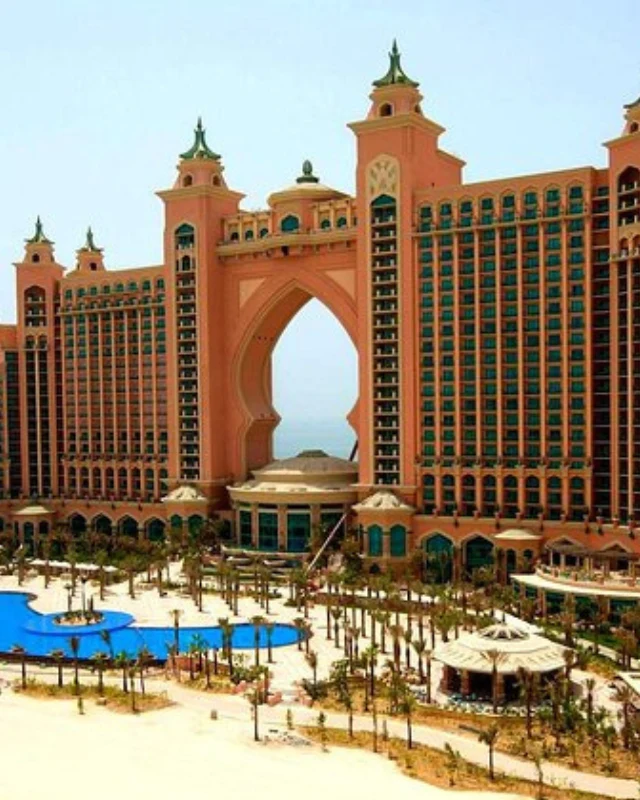
Handpicked tour packages covering famous landmarks and the hidden corners of the city.
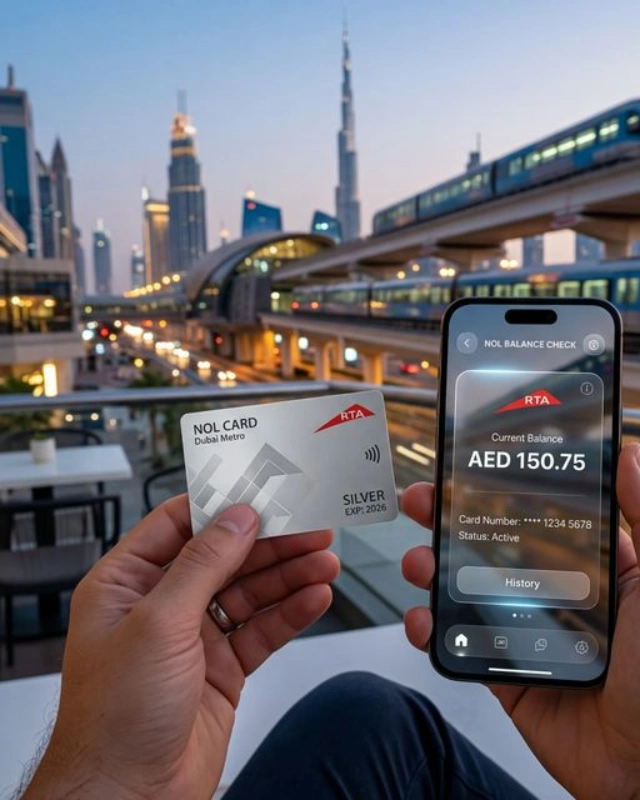
Check your NOL card balance, parking fines, and utility bill payments quickly.
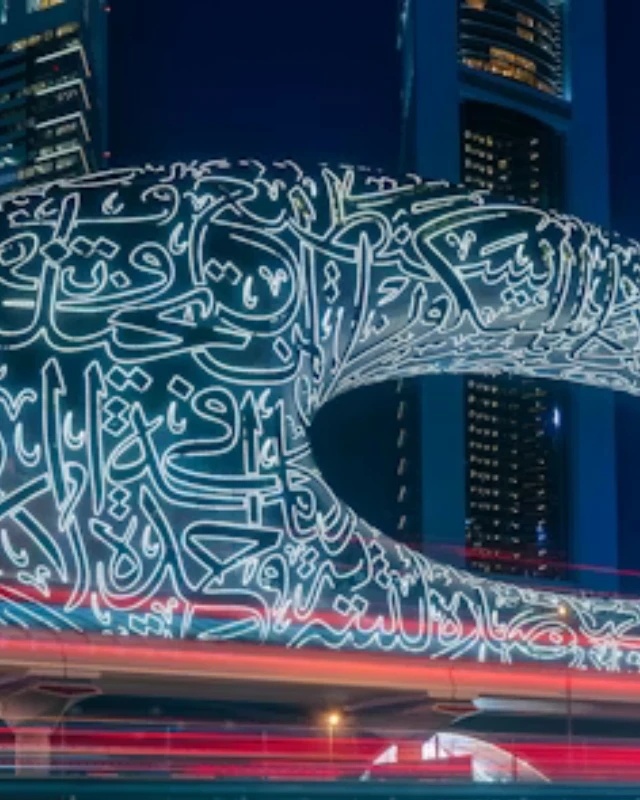
Book tickets for attractions, events, live shows, and top Dubai experiences in advance.
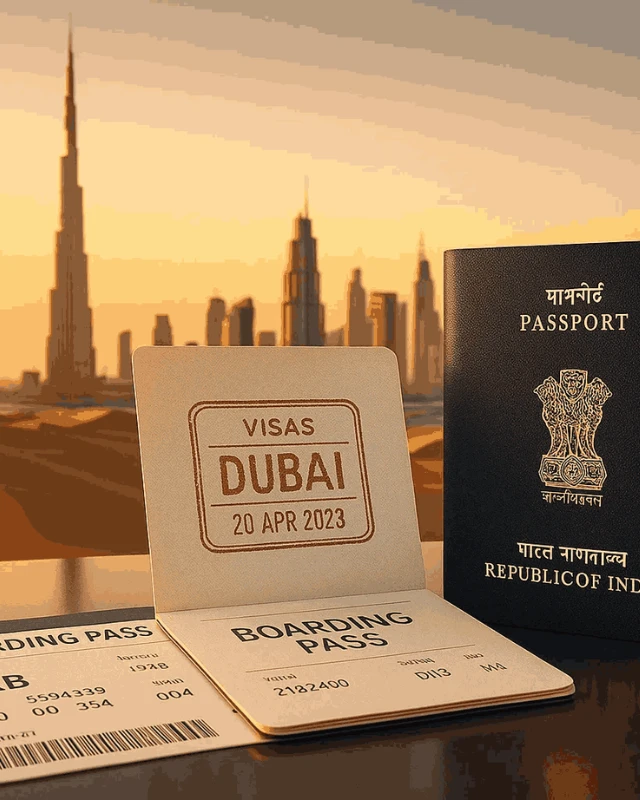
Visa types, requirements, fees, and step-by-step application help for all nationalities.
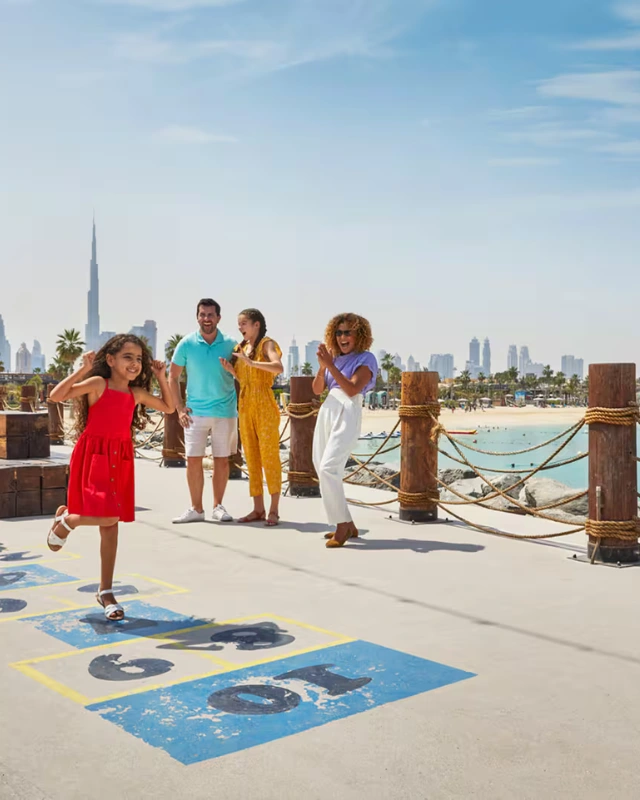
Step-by-step guides for living, working, and making the most out of everyday life in Dubai.
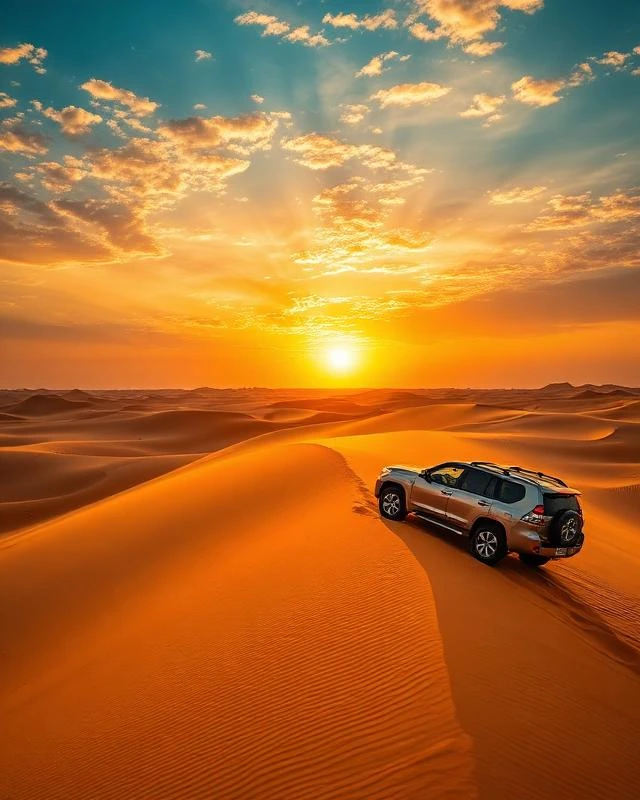
Dune bashing, camel riding, and a proper desert dinner under the stars. A classic Dubai experience.
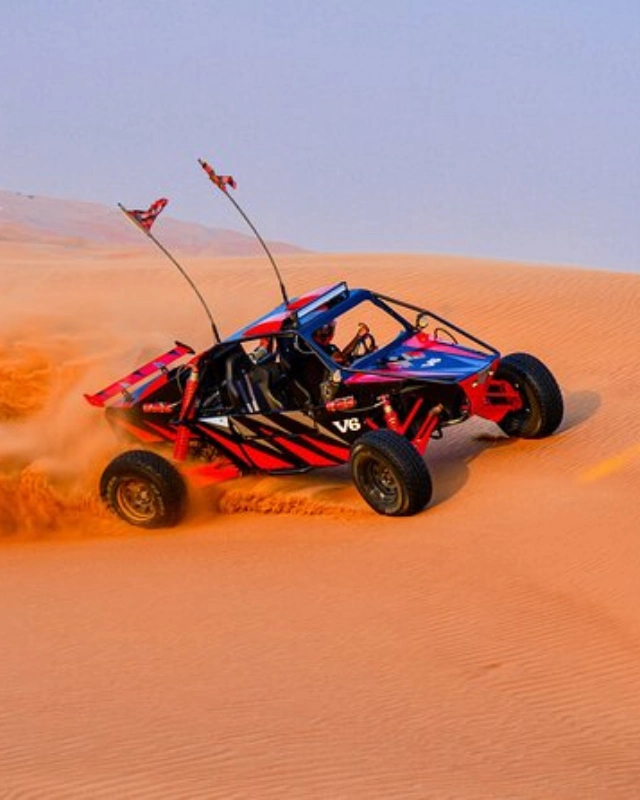
Tear across the golden dunes in a powerful buggy with an expert guide alongside you.
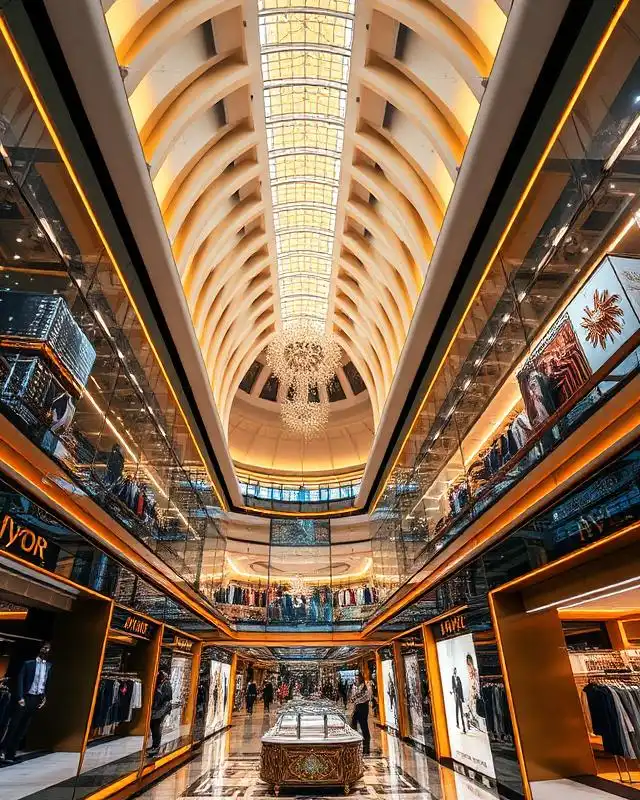
Burj Khalifa, Dubai Mall, Gold Souk, and the old Al Fahidi district — all in one day.

Full-day access to Dubai's top parks including IMG Worlds of Adventure and Dubai Parks and Resorts.
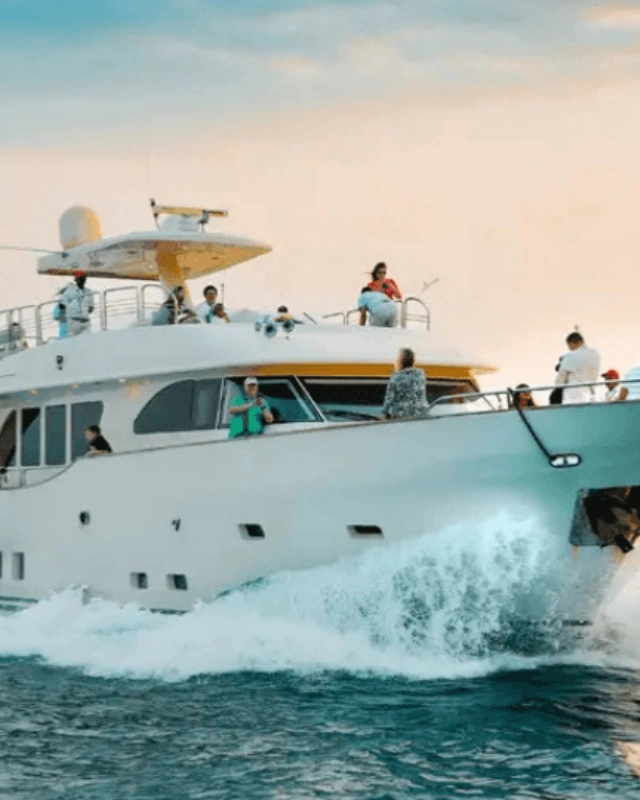
Private yacht cruise past Dubai Marina and Palm Jumeirah. Perfect for couples and small groups.
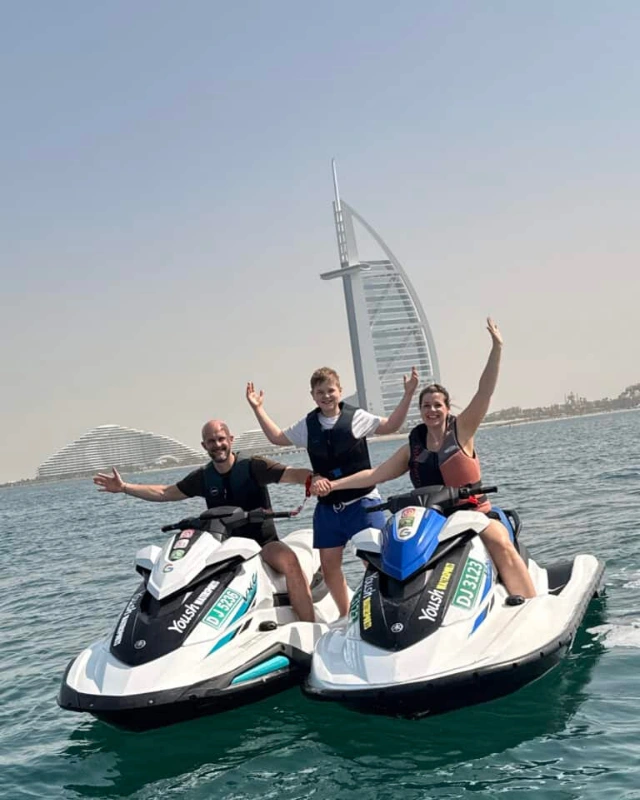
Hit the waves on a premium jet ski along Dubai's beautiful open coastline.
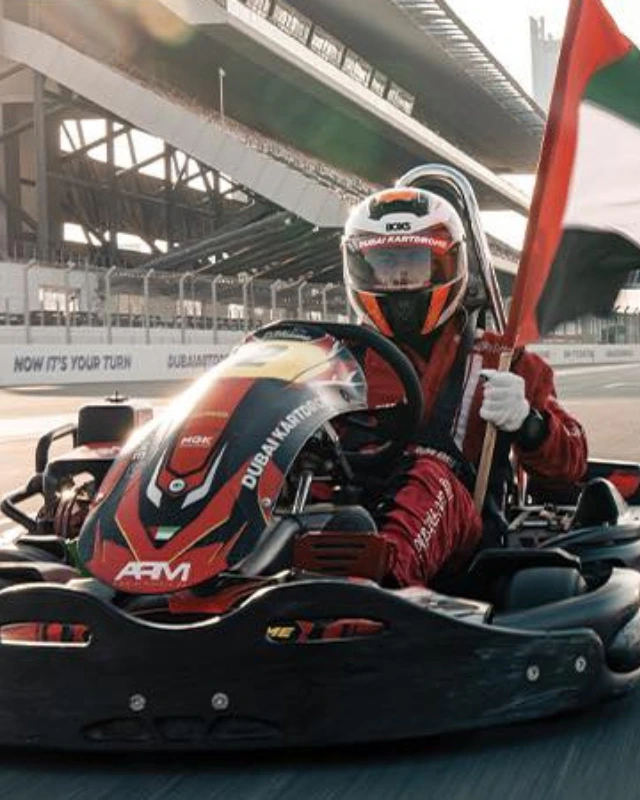
Race on world-class indoor karting tracks. Great for friends, families, and team events.
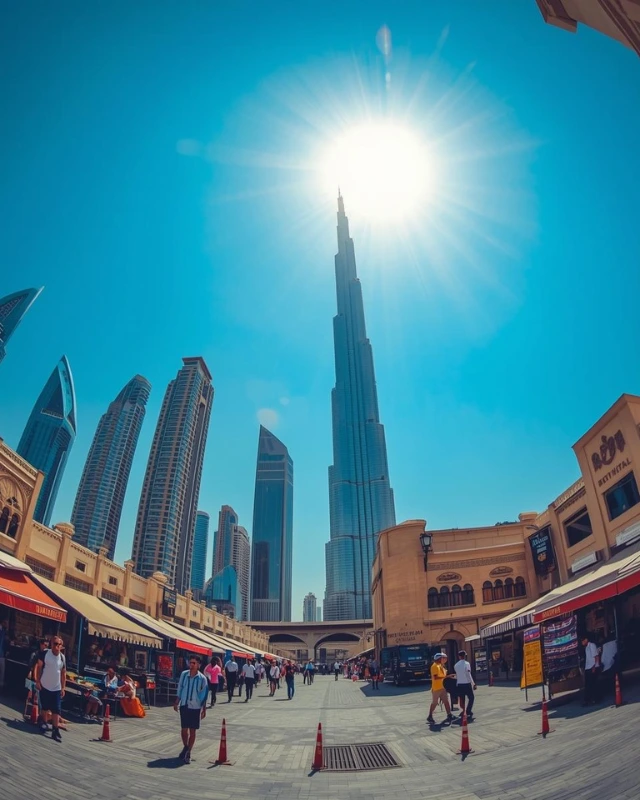
Guided day trips to Abu Dhabi, Oman, and nearby gems you would not want to miss.

See the full Dubai skyline from above. Honestly one of the most impressive things you can do here.
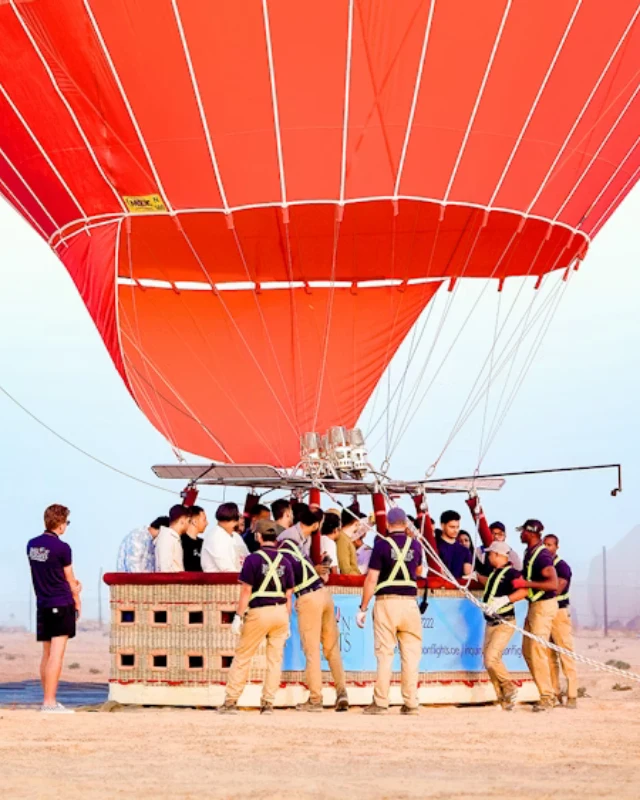
Float above the desert at sunrise. Quiet, beautiful, and something you will never forget.
Dubai has a very clear high season and low season. Knowing the difference will help you plan a much better trip.
Peak Season
This is the best time to visit. Temperatures sit around 20 to 28°C. You can spend full days outside, explore outdoor markets, visit beaches, and do desert tours comfortably. It is also when the big events like the Dubai Shopping Festival happen. Hotels fill up fast — book well in advance.
Shoulder Season
Spring in Dubai is warm and getting warmer. March is still lovely. April starts pushing 35°C. May can feel intense. Crowds are thinner and prices are lower than peak season. Good for budget travelers who do not mind slightly warmer days. Early mornings and evenings are still very enjoyable outdoors.
Low Season
Summer is intense. Temperatures reach 45°C and the humidity is high. Most expats leave the city. Tourist numbers drop significantly. But hotel prices are at their lowest of the year. If you come in summer, focus on malls, indoor attractions, aquariums, and evening dining. The city does not shut down — it just slows down a little.
Early Return
October marks the start of the cool-down. Temperatures begin dropping from the summer peak. By late October, evenings are comfortable again. Prices are still reasonable before the full peak season surge in November. If you want good weather without peak season prices and crowds, early October is a genuinely good option.
Ramadan is worth planning around too. The exact dates change every year based on the Islamic lunar calendar. During Ramadan, eating and drinking in public during daylight hours is not permitted. Many restaurants close during the day or have limited service. Nightlife slows down. But it is also a fascinating cultural time to be in the city — the atmosphere after sunset is unlike anything else.
Dubai is one of those cities you hear about your whole life. Then you finally visit — and it still manages to surprise you. It is hard to describe what makes it so special. Part of it is the skyline. Part of it is the desert right outside the city. And part of it is just the energy of a place that refuses to stop growing.
The city sits on the southern coast of the Persian Gulf. It is the largest city in the UAE and one of the most visited places on earth. Every year, millions of people come here for different reasons. Some come for business. Some come for shopping. Some come to relax on clean beaches. And many come just to see what all the fuss is about.
What most visitors do not expect is the mix. Dubai is modern and traditional at the same time. You can walk through a centuries-old gold souk in the morning. Then in the afternoon, you can stand on the observation deck of the tallest building in the world. That kind of contrast is what makes it stick with you long after you leave.
The food scene here is genuinely impressive. You will find everything from tiny local shawarma spots to Michelin-starred restaurants. Street food is cheap and good. Fine dining is world-class. And the variety of cuisines reflects the fact that people from over 200 nationalities live and work here side by side.
Safety is one of the biggest reasons families and solo travelers alike keep coming back. Dubai is consistently ranked as one of the safest cities in the world. The streets are clean. Public transport is easy to use. And the infrastructure is genuinely excellent — from the airport to the metro to the roads.
For families, there is more than enough to keep everyone happy. Theme parks, water parks, indoor ski slopes, aquariums, and massive malls with activities on every floor. Kids rarely have a dull moment here. Parents tend to appreciate how well-organized everything is — most attractions are very family-friendly with clear pricing and good facilities.
Adventure seekers will find plenty to do as well. The desert is just 30 minutes from downtown. You can go dune bashing, ride camels, take hot air balloon rides at sunrise, or sleep under the stars in a Bedouin camp. The sea offers jet skiing, yacht trips, parasailing, and some of the clearest water you will ever swim in.
Dubai is also surprisingly affordable if you plan ahead. Yes, luxury options exist. But budget-friendly experiences are everywhere. Public transport is cheap. Street food is inexpensive. And many of the city's most beautiful spots — the beaches, the creek, the souk areas — cost nothing to visit.
Practical tips, insider knowledge, and a real look at the food and culture waiting for you in Dubai.
Dubai summers are brutal. Between June and September, temperatures regularly hit 45°C. Most tourists come between November and March when the weather is genuinely pleasant — warm days, cool evenings, and almost no rain. If you can only travel in summer, stick to indoor attractions and early morning outdoor activities.
The Dubai Metro is clean, fast, air-conditioned, and cheap. It connects the airport to Downtown, Dubai Mall, Dubai Marina, and most major tourist spots. Get a NOL card on arrival — it works on the metro, buses, and trams. Taxis are also widely available and reasonably priced, but traffic during rush hour can be terrible.
Dubai is a Muslim city and has dress codes in certain areas. Swimwear is fine at beaches and pools. But when visiting malls, souks, mosques, or public spaces, cover your shoulders and knees. It is a good habit to carry a light scarf or layer. Most shopping malls will not turn you away for dressing casually, but mosques require modest clothing for entry.
Dubai has a reputation for being expensive. And yes, it can be. But it does not have to be. Street food and local restaurants are very affordable. Public transport is cheap. Free beaches are everywhere. The key is mixing budget options with the bigger splurges. Plan your must-do experiences and book in advance — prices are almost always lower when booked ahead.
Buy a local SIM card at the airport when you land. Du and Etisalat both offer tourist SIM packages that are affordable and give you decent data. Having data on your phone makes everything easier — from navigating on Google Maps to using Careem for rides and checking opening hours on the go. Do not rely on hotel Wi-Fi alone.
Popular spots like Burj Khalifa's At The Top, Dubai Frame, and desert safaris sell out — especially on weekends and during school holidays. Book your slots at least a few days ahead. You will also save money this way since last-minute tickets often cost more. Many attractions have early bird pricing if you book more than a week out.
Friday is the weekend in Dubai. Most government offices and some businesses are closed on Fridays. Saturdays are busy but open for most attractions and restaurants. Plan your itinerary around this — if you need to visit government-related services, do it Sunday through Thursday.
Alcohol is available in Dubai but only in licensed venues — hotels, restaurants with a liquor licence, and a few private clubs. You will not find it in supermarkets or local restaurants. Do not carry alcohol in public spaces. Rules around this are strict and enforced consistently.
The tap water in Dubai is technically safe to drink but most residents use bottled or filtered water due to the taste. Bottled water is cheap and widely available. Stay hydrated — especially if you are doing outdoor activities. The heat dehydrates you faster than you expect, even in the cooler months.
Tipping is not mandatory but is appreciated. In restaurants, 10 to 15 percent is a fair amount. Taxi drivers appreciate rounding up the fare. Hotel staff and tour guides who go above and beyond deserve a tip too. It is a small gesture that makes a real difference to many service workers here.
During Ramadan, eating and drinking in public during daylight hours is not permitted for non-Muslims in most public spaces. Many restaurants close during the day. But the evenings are spectacular — the city comes alive after Iftar with street food stalls, lights, and a genuinely warm atmosphere that is worth experiencing.
The currency is the UAE Dirham (AED), pegged to the US Dollar at 3.67. Most places accept card and contactless payments. ATMs are everywhere. Carry a small amount of cash for street food, local markets, and Abra boat rides across Dubai Creek which are cash-only and cost just a few dirhams.
Dubai has one of the most diverse food scenes in the world. Over 200 nationalities live here. That means you can eat your way around the globe without leaving the city. Indian food is everywhere and brilliant. Lebanese and Syrian restaurants are fantastic value. Japanese and Korean food has exploded in popularity in recent years.
Street food in Dubai is a genuine joy. Shawarma from a hole-in-the-wall spot at midnight is one of life's great pleasures. Manakish bread with cheese or za'atar from a local bakery costs almost nothing. Fresh juice from small corner shops is everywhere and usually very good. You do not need to spend a lot to eat very well here.
If you want to try Emirati food — the local cuisine — head to places like Al Fanar or Arabian Tea House. Dishes like Machboos (spiced rice with meat), Harees (slow-cooked wheat and meat), and Luqaimat (fried dough balls with date syrup) are all worth trying. They are deeply comforting and full of flavour. Do not leave Dubai without trying at least one proper Emirati meal.
Dubai sits at a crossroads between tradition and modernity. The Etihad Museum, Al Shindagha Museum, and the Sheikh Mohammed Centre for Cultural Understanding all offer interesting perspectives on the city's history and identity. The government has worked hard to preserve Emirati heritage while embracing global influence.
Art is growing fast here too. Alserkal Avenue in Al Quoz is Dubai's creative district — warehouses converted into galleries, studios, and independent cafes. It is completely different from the polished mall experience and worth an afternoon if you are interested in contemporary art and the local creative scene.
Shawarma
The late-night classic. Chicken or lamb, wrapped in fresh bread with garlic sauce. Cheap, filling, everywhere.
Luqaimat
Traditional Emirati dumplings fried golden and drizzled with date syrup and sesame. Sweet and very addictive.
Machboos
The national dish of the UAE. Slow-cooked spiced rice with meat or fish. Deeply flavourful and comforting.
Manakish
Flatbread topped with za'atar, cheese, or minced meat. The perfect quick breakfast from any local bakery.
Arabic Coffee & Dates
Cardamom-spiced coffee served with fresh dates is the traditional Emirati welcome. You will find this at most cultural sites and heritage experiences.
Saffron Ice Cream
Persian-style saffron and rose water ice cream. Rich, floral, and unlike anything from a standard gelato shop.
Dubai is a big city made up of very different areas. Knowing where things are helps you plan a much smarter trip.
This is the heartbeat of modern Dubai. The Burj Khalifa, Dubai Mall, Dubai Fountain, and the Opera are all here. It is a great base for first-time visitors. Restaurants and cafes surround the Burj Lake. It is busy, walkable in the cooler months, and genuinely impressive at night when the buildings light up.
Dubai Marina is where the younger, international crowd tends to hang out. It is a man-made canal city with high-rise towers, restaurants, beach clubs, and a busy waterfront promenade. The Marina Walk is perfect for an evening stroll. JBR beach is right next door. Yacht tours depart from here. It feels very different from the old parts of the city.
Al Fahidi is the historic part of the city — and one of the most underrated. Wind towers, narrow lanes, art galleries, and the Dubai Museum are all here. Nearby is the Spice Souk and Gold Souk across Dubai Creek. You can take an Abra (traditional boat) across the creek for just a few dirhams. It feels like a completely different city from Downtown.
The famous palm-shaped island is one of the most recognisable places in the world. The Atlantis hotel sits at the top of the palm. The monorail connects the trunk to the tip. Beach clubs, luxury villas, and high-end restaurants are scattered throughout. It is worth a visit just to see the scale of it. The views back toward the Dubai skyline from the top of the palm are stunning.
Deira is the oldest commercial district in Dubai. It is busy, packed, and full of energy. The Gold Souk here is the largest in the world. The spice market is nearby and worth an hour of your time just for the sights and smells. Budget food is excellent in Deira — some of the best Indian, Pakistani, and Filipino food in the city can be found in small local restaurants here.
Jumeirah is a long coastal residential area stretching from the old city toward the newer developments. It is known for its beautiful beaches, the Jumeirah Mosque, and the iconic Burj Al Arab hotel nearby. Kite Beach and Jumeirah Beach Park are both popular with families. The vibe here is relaxed and upscale without being over the top.
Over 50,000 happy travellers have used our guides and booked through our platform. Here is why they keep coming back.
Every booking is 100% secure. Payments are processed safely and you get instant confirmation — no uncertainty, no waiting.
Something changed or you have a question at 2am? Our support team is available around the clock, every day of the year.
Find the same experience cheaper elsewhere? We will match it. No questions asked.
Our local experts know Dubai inside and out. They will help you build an itinerary that fits your time, budget, and interests.
Multiple payment methods accepted. Pay now or use our installment options for bigger bookings.
We speak your language. Support and guides available in English, Arabic, Hindi, and more.
50K+
Happy Travelers
500+
Tours Completed
4.9
Average Rating
24/7
Customer Support
Straight answers to the questions most visitors ask before their first trip to Dubai.
It depends on your nationality. Citizens of many countries — including the UK, USA, most of Europe, and Australia — can enter Dubai visa-free for 30 to 90 days. Citizens of GCC countries have unrestricted access. Other nationalities need to apply for a visa in advance or on arrival. Check the UAE official immigration website for the most up-to-date list based on your passport. Tourist visas are generally easy to get and process quickly.
Yes. Dubai is genuinely one of the safest cities in the world for solo travellers — including women travelling alone. Crime rates are extremely low. Public spaces are well-lit and busy. The metro has dedicated women-only carriages. Taxis and ride-hailing apps are widely used and reliable. That said, use the same common sense you would in any big city. Dress modestly in public areas and be aware of the cultural norms around you.
The currency is the UAE Dirham (AED). It is pegged to the US Dollar at a fixed rate of 3.67 AED per dollar. Most places accept credit and debit cards. Contactless payments are very common. ATMs are everywhere — at the airport, in malls, and on most high streets. It is worth carrying a small amount of cash for street food, local markets, and Abra boat rides across Dubai Creek.
Three to five days is enough to see the main highlights — Downtown, the desert, the beach, and the souks. A week gives you time to explore more neighbourhoods, do a day trip to Abu Dhabi, and spend a proper day at one of the theme parks. Two weeks is ideal if you want to slow down, explore different areas, and go on multiple day trips. There is genuinely no shortage of things to do.
It can be — but it does not have to be. Dubai caters to every budget. A backpacker staying in a hostel, eating at local restaurants, and using the metro can get by on relatively little. A luxury traveller staying at a five-star hotel and doing exclusive experiences will spend a lot. The middle ground is very achievable. Book accommodation and tours in advance, mix street food with nicer restaurants, and take the metro over taxis when you can.
Arabic is the official language. But English is widely spoken and understood everywhere — in shops, restaurants, hotels, taxis, and most public services. You will not struggle to get by without knowing any Arabic. That said, learning a few basic phrases like "Shukran" (thank you) and "Marhaba" (hello) is always appreciated by locals and goes a long way.
Trusted by top 10 global travel platforms worldwide
From detailed travel guides to handpicked tours, we give you everything you need to explore Dubai with confidence and without the guesswork.
Dubai Tweeks is a trusted tour and travel company creating memorable experiences. We provide valuable content for travelers from around the world and across the nation.
Phone: +971503533024
G-Mail: info@dubaitweeks.com
We are closed for bookings on Sundays. Please schedule 1–2 days in advance, Monday through Saturday.
