


Dubai has invested heavily in beach safety infrastructure across its entire coastline. Rip currents, strong sun, jellyfish, and cultural rules are all completely manageable when you know what to expect. Read through this guide and you will head to the beach fully confident, properly prepared, and ready to enjoy every minute.
| Category | Details |
|---|---|
| Overall beach safety | High, with trained lifeguards and flag systems at all major beaches |
| Rip current action | Swim parallel to shore, never directly against the current |
| Green flag | Safe to swim, conditions are good |
| Yellow flag | Swim with caution, conditions are moderate |
| Red flag | No swimming allowed under any circumstance |
| Purple flag | Marine life danger present, stay out of the water |
| Best swimming season | November to April |
| UV level in Dubai | Very high to extreme for most of the year |
| Sunscreen recommendation | SPF 50, reapply every 90 minutes |
| Daily hydration target | Two to three liters of water minimum |
| Jellyfish season | Mainly spring but can occur year-round |
| Alcohol on public beaches | Strictly not permitted |
| Photography rules | Never photograph others without their direct permission |
| Littering fines | Yes, fines are issued at all public beach locations |
| Emergency contact number | 999 for Dubai Police and coastguard |
| Lifeguard operating hours | Approximately 8am to sunset daily |
| Children near water | Always supervised, stay within flagged zones |
| Valuables on the beach | Use waterproof pouches or lockable dry bags |
Are Dubai Beaches Safe?
Dubai beaches are genuinely safe for tourists and residents who follow the posted safety guidelines. Beach hazards Dubai visitors need to know about include rip currents, very high UV levels, jellyfish, and occasional strong seasonal winds. The good news is that all major beaches have trained lifeguards on duty, clear warning signs, and a reliable color-coded flag system in place.



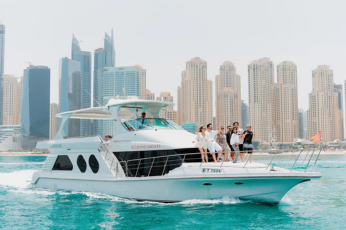






Dubai’s beach management authority maintains consistently high standards across the entire coastline. Regular water quality checks, trained safety staff, and well-maintained facilities all create a very controlled and well-supervised beach environment. The biggest risks come not from the city itself but from underestimating sea conditions and sun exposure.
Tourists who prepare by checking the flag system, wearing proper sunscreen, and following posted rules will have no issues at all. Dubai handles tens of thousands of beach visitors every single day without serious incident. Your beach visit here is overwhelmingly likely to be relaxed, enjoyable, and completely trouble-free.
Understanding Rip Currents at Dubai Beaches
Rip currents are the most significant natural hazard for swimmers at any Dubai beach. They are fast-moving channels of water that pull away from the shore, and they can catch even experienced swimmers completely off guard. Spotting them is possible: look for choppy, discolored water or foam moving in a noticeably different direction from the surrounding waves.
If you get caught in a rip current, stay calm and do not try to swim directly back to shore against the pull. Swim parallel to the beach until you feel yourself out of the current, then angle back toward the sand at a steady pace. This simple technique is far more effective than fighting the current head-on and saves a huge amount of energy.
Never enter the water when a red flag is flying, as conditions are considered too dangerous for any swimming activity. If you see someone else struggling in a rip current, alert the lifeguard immediately rather than attempting a rescue yourself. Keeping calm and acting fast gives everyone involved the best possible chance of a safe outcome.
Beach Flag System in Dubai: What Each Color Means
The flag system at Dubai beaches is your single most important safety tool and it is very simple to read. A green flag means the water is safe, conditions are good, and swimming is fully permitted. This is the flag most visitors see during the pleasant cooler beach season months from November through April.
A yellow flag means you should swim with real caution as sea conditions have become moderate and less predictable. Children and weak swimmers should stay in shallow water and close to the shore when any yellow flag is flying. A red flag means swimming is completely prohibited and entering the water under a red flag is both physically dangerous and a breach of beach rules.
A purple or violet flag is a warning of dangerous marine life in the water, most commonly jellyfish or stingrays. When this flag is flying, staying completely out of the water is the only sensible decision to make. Always check the flags before you enter the water at any beach, every single time without exception.
You can read full guides for public beaches in Dubai, JBR Beach Dubai, Kite Beach Dubai, and Jumeirah Public Beach to know the specific safety features and facilities at each location.
Sun Safety at Dubai Beaches
The Dubai sun is much stronger than most visitors expect, even during the cooler winter months of the year. Tips for dubai beach visitors consistently include applying SPF 50 sunscreen before leaving the hotel and reapplying it every 90 minutes throughout your entire beach day. UV levels in Dubai are classified as very high to extreme for most of the calendar year.
Avoid spending extended time on the beach between 11am and 3pm during the summer months when heat and UV index are both at their absolute peak. Heat exhaustion can set in very quickly, and its early signs include dizziness, nausea, heavy sweating, and a rapid heartbeat. Moving immediately to shade and drinking cold water are the first and most important steps if you or anyone nearby shows these warning signs.
Staying well hydrated is a genuine priority on any Dubai beach day regardless of the season. Adults should aim to drink between two and three liters of water throughout the day, and more than this in summer conditions. Bringing a large reusable water bottle and refilling it regularly is one of the simplest and most effective safety habits you can build for yourself.
Swimming Safety at Dubai Beaches
Swimming safety Dubai depends on a few simple habits that make a very big difference to everyone’s experience at the water. Never swim alone, especially in open water areas that sit away from the main flagged swimming zones along the beach. A second person on shore can raise the alarm immediately if something unexpected happens in the water.
Children and weak swimmers should always stay in shallow, calm water within clear sight of a lifeguard station at all times. Rules to follow in dubai at the beach include staying within the designated swimming areas that are marked with buoys, rope lines, and clear signage. Straying outside these zones puts you beyond reliable lifeguard visibility and into more unpredictable and open water conditions.
Sea conditions in Dubai change noticeably between seasons, so checking before you swim is always worth doing. Winter months offer calm and genuinely refreshing water that suits most swimmers comfortably. Summer brings warmer, choppier conditions that make swimming more tiring and far less comfortable, especially during the afternoon hours.
Marine Life Hazards to Know About
Jellyfish are the most commonly encountered marine hazard at Dubai beaches throughout the year. They appear most frequently during spring but can show up at any time, which is exactly why the purple flag system exists. If a purple flag is flying, stay completely out of the water and do not touch any jellyfish washed up on the sand, as tentacles remain active even after the animal has died.
If you do get stung, rinse the affected area with sea water rather than fresh water and carefully remove any visible tentacles using a flat object like a card or shell. Do not rub the area under any circumstances as this pushes the venom deeper into the skin and makes the sting significantly worse. Beach first aid stations at all major beaches carry treatment for jellyfish stings and staff can help you quickly.
Sea urchins hide near rocks and reef areas and can cause painful foot injuries if you step on them without looking. Stingrays rest in shallow sandy areas along the shoreline, so shuffling your feet along the seabed rather than lifting and placing them is a very effective way to avoid a sting. Following these Dubai beach safety tips for marine awareness means you can enjoy the sea without unnecessary worry on every visit.
You can explore full safety details and facilities for Al Mamzar Beach Park Dubai, La Mer Beach Dubai, Sunset Beach Dubai, and private beaches Dubai before choosing your beach destination.
Beach Rules and Tourist Guidelines in Dubai
Dubai beaches are well-managed public spaces with clear rules that every visitor is expected to follow without exception. UAE rules for tourists at the beach cover alcohol, noise, behavior, and photography: no alcohol is permitted on public beach areas, loud or disruptive music is not acceptable, and aggressive or antisocial behavior is taken very seriously by beach security staff. Fines are real and enforced for those who choose to ignore these rules.
Understanding the dos and don ts in dubai for tourist helps you avoid any awkward or costly situations throughout your stay. Photography on the beach requires genuine care: never photograph other beachgoers, especially women and families, without their clear and direct permission first. Littering at any public beach carries a fine, so use the clearly marked bins that are spread throughout the beach area at regular intervals.
Knowing rules for traveling to dubai before you arrive reflects well on you as a visitor and makes your entire stay much smoother. Public displays of affection, offensive language, and confrontational behavior are all taken seriously by authorities across the city. Dubai consistently rewards respectful visitors with a welcoming, safe, and enjoyable experience from the moment they arrive.
Lifeguard Services at Dubai Beaches
Lifeguards at Dubai beaches are trained professionals and a central part of the city’s beach safety infrastructure. They operate from clearly marked watchtower stations and actively monitor the designated swimming zones throughout their shift. Standard operating hours at most major public beaches run from approximately 8am to sunset, with some locations extending coverage during busier periods.
In a beach emergency, signal for help by waving both arms clearly and visibly above your head while facing the nearest lifeguard tower. Do not wait and hope someone notices: make your signal obvious, loud, and sustained until help begins to move toward you. Shouting for help toward nearby swimmers and beachgoers is also a fast and effective way to get additional attention in seconds.
Save 999 in your phone before your beach visit as this number connects you directly to Dubai Police and the coastguard. The Dubai Beach Patrol also operates actively at major beach zones during peak hours. Having this number ready means you can reach emergency services within seconds of identifying any serious problem on the sand or in the water.
Practical Safety Tips for First-Time Beach Visitors
First-time visitors benefit a lot from preparation done before they even leave the hotel on beach day. Always tell someone your beach plan for the day, including which beach you are visiting and roughly how long you intend to stay. This one simple habit makes it much easier for someone to help if something unexpected happens during your visit.
Check sea conditions and the day’s weather forecast on a reliable app before heading to the beach each morning. Keeping your valuables secure is another essential habit: waterproof pouches and lockable dry bags are widely available and very effective for protecting your phone, wallet, and keys while you are in the water or on the sand. Making sure you have wifi in dubai for tourists activated on your phone before your beach day means you always have access to maps, emergency contacts, and real-time weather updates when you need them.
Keep children within arm’s reach near the water at all times regardless of how calm conditions appear on the surface. Knowing the location of the nearest hospital or urgent care clinic to your chosen beach is also very smart and simple preparation. A little awareness before you arrive removes almost every preventable risk from your entire beach day.
You can find location-specific details including beach changing rooms in Dubai, lifeguard services at Dubai beach, wheelchair accessible beach Dubai, and the best time to visit Dubai beaches to help you plan every part of your visit.
Beach Safety by Beach Location
Each beach in Dubai has its own layout, crowd level, and safety setup that is worth understanding before you choose your spot. The busy waterfront at JBR is well-covered by lifeguards with flag posts positioned along the full stretch of sand and clear signage at every entry point. The flat, open layout at Kite Beach makes it very easy for lifeguards to monitor swimmers across a wide area without any significant obstruction.
The calm central stretch of Jumeirah is a popular family spot where shallow water near the shore makes conditions more manageable for children and casual swimmers. The large landscaped park at Al Mamzar has five separate beach areas, each with its own lifeguard coverage and flag system running throughout the day. The modern coastal strip at La Mer is well-maintained and has a full safety infrastructure that is built to match its high daily visitor numbers comfortably.
The quieter setting near Umm Suqeim at Sunset Beach is less crowded but still maintains lifeguard coverage during standard operating hours. Hotel beaches typically offer higher lifeguard-to-visitor ratios and more personalized safety monitoring throughout the day. Checking the specific safety facilities available at your chosen beach before you arrive always helps you plan a better and more informed beach day.
Dress Code and Cultural Safety Tips
Following the dress code at Dubai beaches is part of staying safe from both a legal and a cultural point of view. Swimwear is perfectly fine on the sand and in the water, but covering up with modest clothing when you leave the beach zone is a firm and consistent expectation across the entire city. Ignoring this simple rule is the most common way tourists attract unwanted attention from authorities in areas close to the beach.
Respecting local cultural norms is not just a safety measure but a basic act of courtesy toward the people and the city hosting your visit. Loud behavior, public arguments, and disruptive group activity on the beach can escalate quickly and attract a firm response from beach security staff. Staying calm, respectful, and genuinely aware of those around you keeps your beach day positive and completely trouble-free from beginning to end.
You can read the complete Dubai beach dress code guide for a full breakdown of what to wear at every type of Dubai beach. Knowing these rules before you go means you never have to guess or hesitate in the moment. It is one of the easiest and most straightforward safety habits any Dubai beach visitor can adopt.
Frequently Asked Questions
1. Are Dubai beaches safe for tourists?
Yes, Dubai beaches are very safe for tourists with trained lifeguards, a clear flag system, and well-maintained facilities at every major location. The main risks are rip currents, high UV exposure, and occasional jellyfish, all of which are manageable with basic preparation. Following the posted signs and checking flag colors before entering the water keeps your visit safe throughout.
2. What should I do if I get caught in a rip current in Dubai?
Stay calm and do not try to swim straight back to shore against the pull of the current. Swim parallel to the beach until you feel yourself free of the rip, then angle back toward the sand at a comfortable pace. Signal for help immediately if you feel too tired to swim and cannot reach the shore safely on your own.
3. Are there lifeguards at Dubai beaches?
Yes, trained lifeguards operate at all major public beaches in Dubai during standard beach hours from around 8am to sunset. They monitor the designated swimming zones from clearly positioned watchtower stations throughout the day. Staying within the marked swimming areas keeps you within their direct field of vision at all times.
4. What does a red flag mean at Dubai beach?
A red flag means swimming is completely prohibited due to dangerous sea conditions at that time. Entering the water when a red flag is flying is both unsafe and a direct breach of beach rules. Always wait for a green or yellow flag before considering any swimming activity at any beach location.
5. Is it safe to swim at Dubai beaches in summer?
Swimming in summer is possible but not recommended for most visitors due to extreme heat, very high UV levels, and rough conditions. Water temperatures in July and August can reach 33°C, which provides no real cooling effect for swimmers. The safest and most comfortable swimming season in Dubai runs clearly from November through to April.
6. What are the main beach hazards in Dubai?
The main beach hazards are rip currents, extreme UV exposure, jellyfish stings, sea urchins near rocky areas, and stingrays in shallow sandy zones. Following the flag system and checking sea conditions before swimming addresses most of these risks before they become a problem. First aid stations at all major beaches handle common injuries like jellyfish stings quickly and effectively.
7. What is the emergency number at Dubai beaches?
The emergency number in Dubai is 999, which connects you directly to Dubai Police and the coastguard. Save this number in your phone before your beach day as a simple and essential safety step. You can also flag down the nearest lifeguard directly for any immediate emergency on the sand or in the water itself.
