

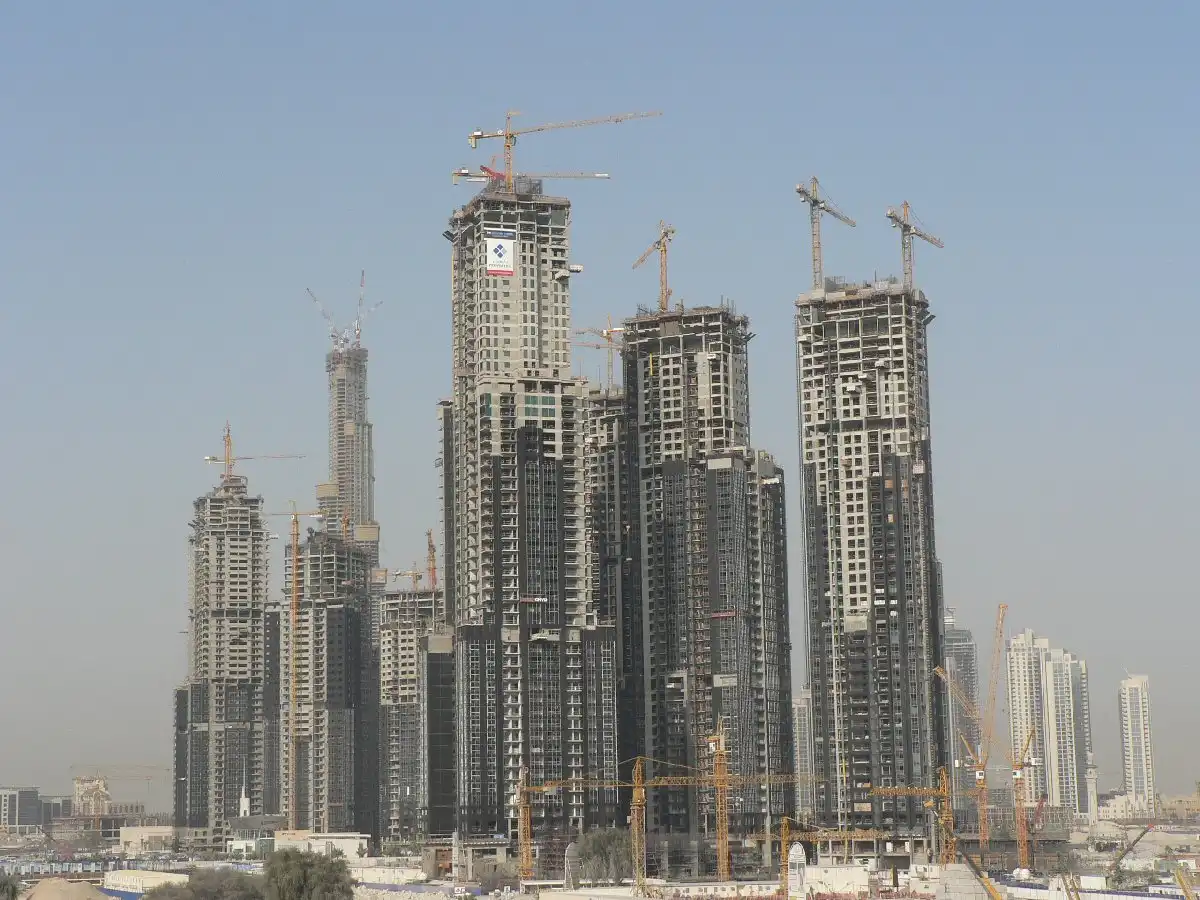
The construction cost was USD 1.5 billion, with 12,000 workers on site at peak and 22 million total man-hours worked across the full project.
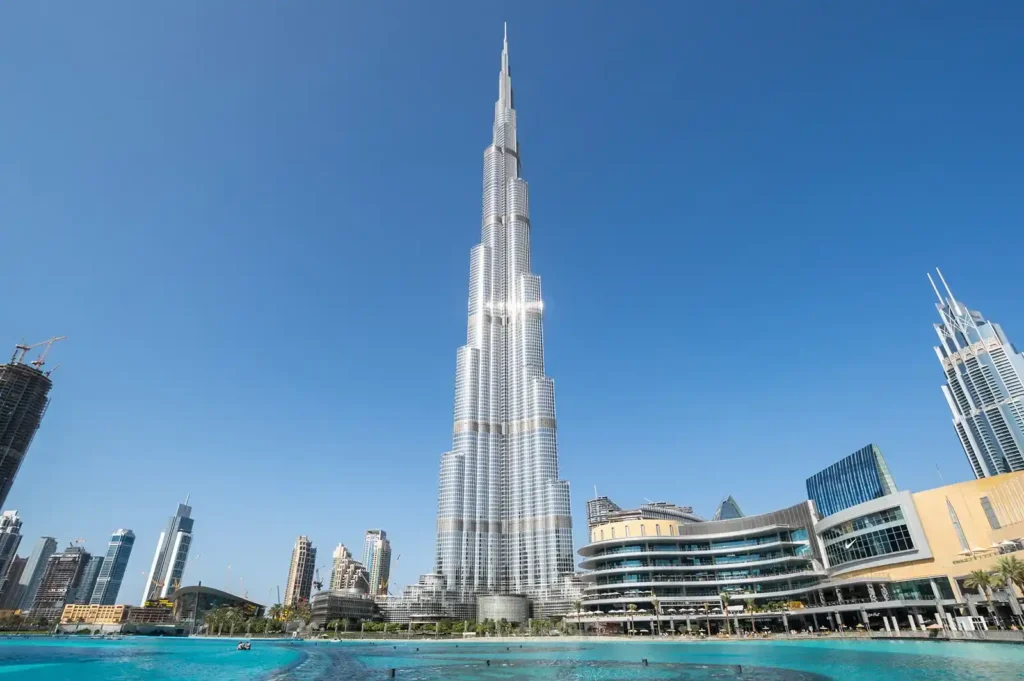
Six years. That is how long it took to build the tallest structure humanity has ever put on the ground. From the first concrete poured into the desert soil in January 2004 to the opening ceremony on January 4, 2010, the Burj Khalifa went from nothing to 828 metres in a time that still surprises most people who hear it.
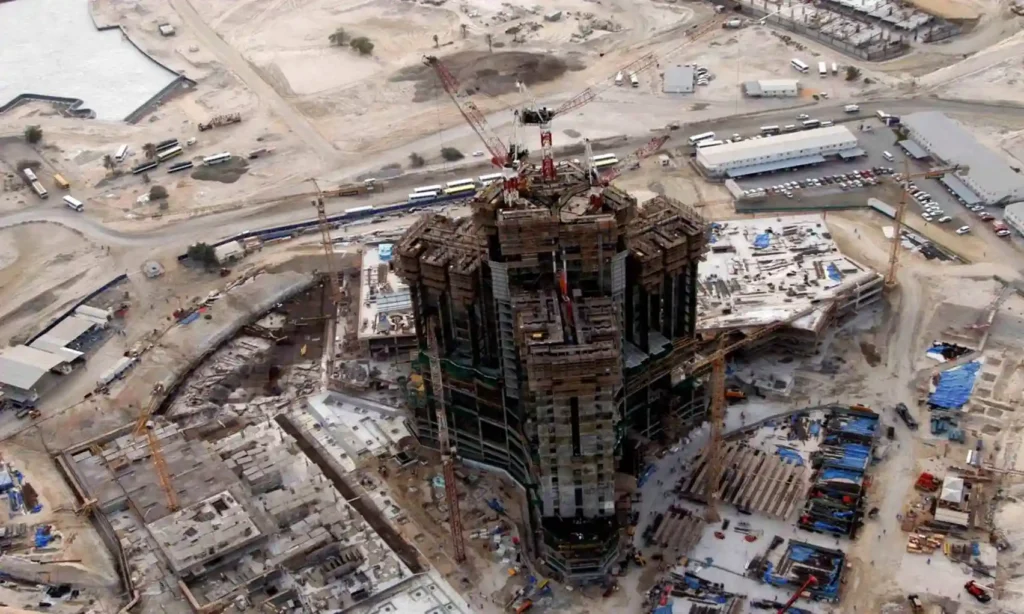
This guide covers the full construction story. You will find out who built it, who designed it, what it cost, what went wrong and how the engineers fixed it, and why the building was not even called the Burj Khalifa until the day it opened.
Who Owns and Developed the Burj Khalifa?
The Burj Khalifa was developed by Emaar Properties, a Dubai-based real estate company founded in 1997. Emaar is one of the largest real estate developers in the world and is responsible for the entire Downtown Dubai development that surrounds the tower.
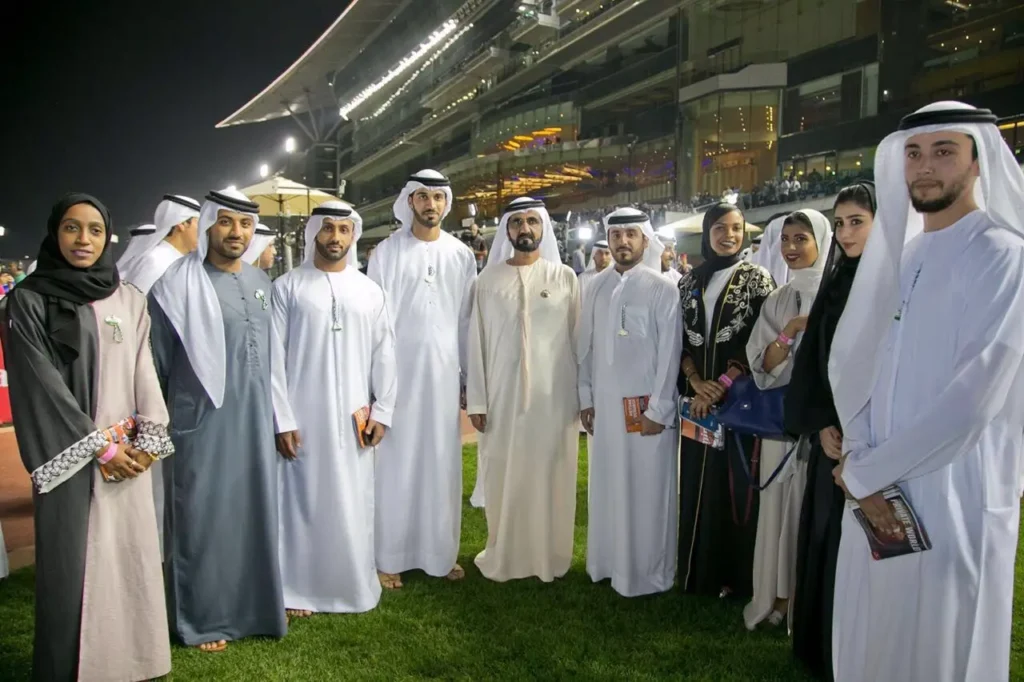
Mohamed Alabbar, the Chairman of Emaar, was the driving force behind the project and the man who stood on stage at the opening ceremony to announce the building’s new name.
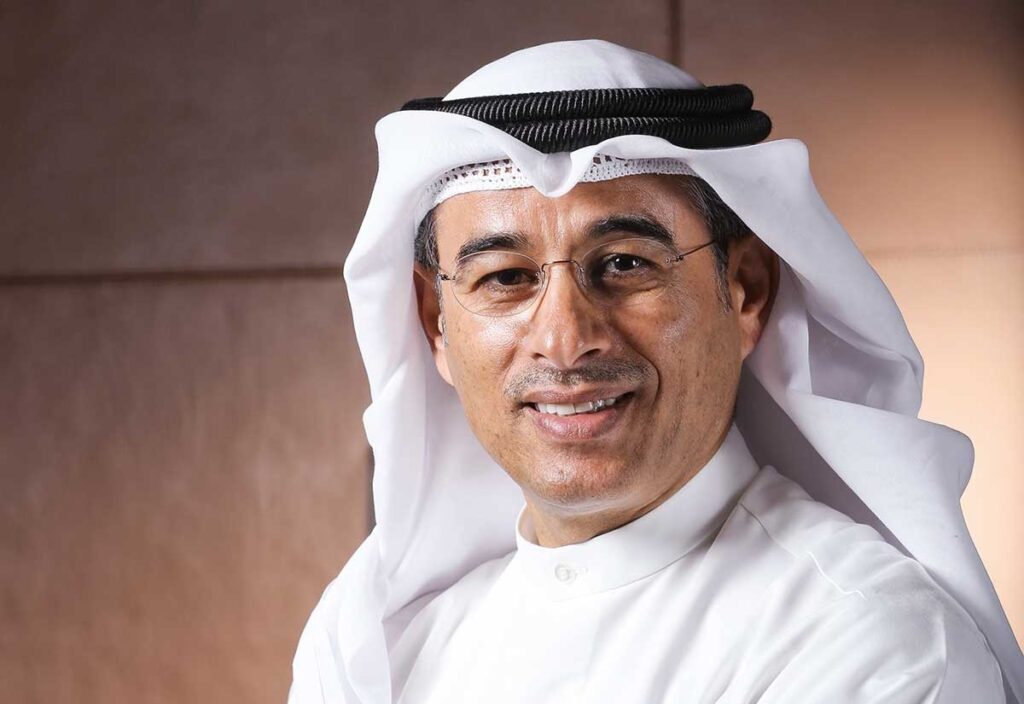
The architect was Adrian Smith, working at Skidmore, Owings and Merrill (SOM) in Chicago at the time. Smith has since founded his own firm and gone on to design the Jeddah Tower in Saudi Arabia, which is planned to exceed 1,000 metres when it eventually completes. The structural engineer was Bill Baker, also at SOM, who invented the buttressed core structural system that makes the Burj Khalifa possible.
The general contractor was a joint venture between three companies: Samsung C and T Corporation from South Korea, Besix from Belgium, and Arabtec from the UAE. Together they managed the construction site, the workforce, and the supply chain for one of the most complex building projects ever attempted. For the full story of what the building contains today, our guide to Burj Khalifa: The World’s Tallest Building covers everything.

When Was the Burj Khalifa Built? Full Construction Timeline
The Burj Khalifa did not appear overnight. Here is exactly what happened, year by year.
Burj Khalifa — Construction Timeline
| 📅 Year / Date | 🏛️ Milestone |
|---|---|
| 2002 to 2003 | Planning and design phase begins at SOM, Chicago |
| January 6, 2004 | Ground is broken — construction officially starts |
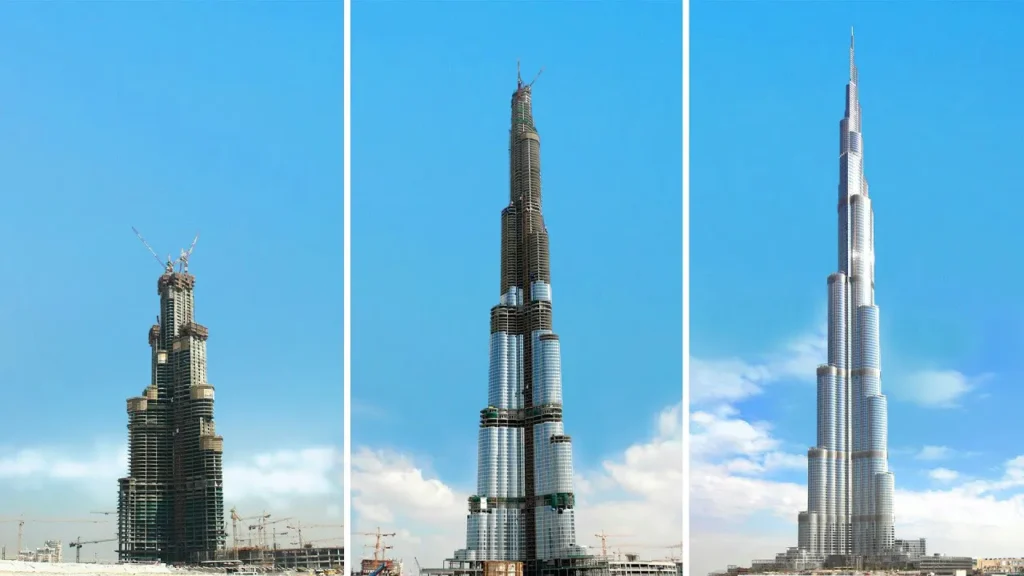
| 2005 | Foundation work completed, tower begins to rise above ground |
| 2006 to 2007 | Tower rises at peak speed — one floor every 3 days at fastest point |
| April 2008 | Tower surpasses Taipei 101 as world’s tallest building |
| September 2008 | Tower passes CN Tower as world’s tallest freestanding structure |
| January 17, 2009 | Tower tops out at 828 metres — construction of main structure complete |
| 2009 | Interior fit-out, mechanical systems, cladding installation |
| January 4, 2010 | Official opening ceremony — renamed Burj Khalifa |
2002 to 2003: Planning and Design
Emaar commissioned SOM in 2002 to begin designing the tower. The brief was simple and almost impossibly ambitious: build the tallest building in the world. The design team spent over a year working through structural concepts, wind models, and foundation requirements before construction began.
January 2004: Ground Is Broken
Construction officially started on January 6, 2004. The first phase was entirely underground and invisible to the public. Workers spent most of 2004 and into 2005 building the foundation system, which required driving 192 concrete piles deep into the desert ground before a single floor above street level could be built.
2006 to 2007: The Tower Rises Fast
Once the foundation was in place and the lower floors were established, the pace of construction accelerated. At the fastest point in 2006 and 2007, the team was completing one new floor every three days. This rate of vertical progress was extraordinary for a building of this complexity and size.
January 2009: Tower Tops Out
On January 17, 2009, the final section of the spire was raised into position and the Burj Khalifa reached its full height of 828 metres. The main structural work was done. The rest of 2009 was spent on interior fit-out, installing the mechanical systems, completing the glass facade cladding, and preparing the hotel, restaurants and observation decks for opening.
January 2010: The Building Opens
The official opening ceremony took place on January 4, 2010. It included a spectacular fireworks display from the building itself and a laser and light show visible across Dubai. The building was originally called Burj Dubai throughout construction. The name change to Burj Khalifa was announced live at the ceremony, catching many people by surprise.
The Design: Where Did the Idea Come From?
Most people assume the Burj Khalifa was designed purely for height. The actual design inspiration is something most visitors have never heard of.
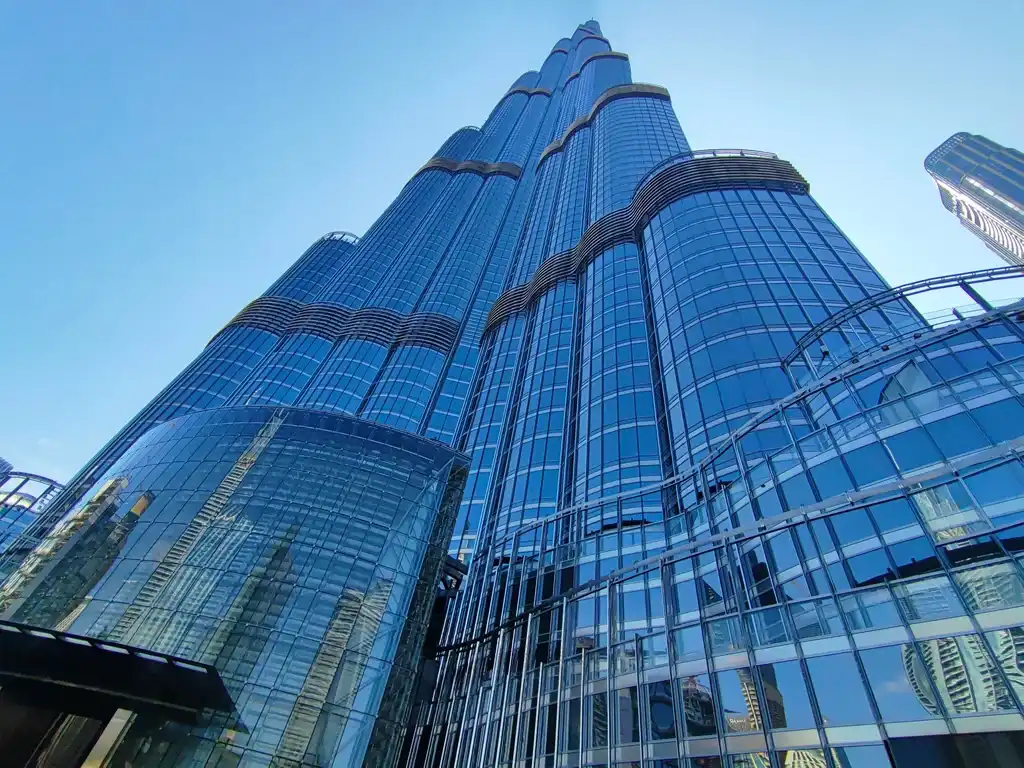
Adrian Smith drew his initial concept from the Hymenocallis, a desert flower also known as the spider lily, which is native to the region surrounding Dubai. The flower has three petals arranged in a Y-shape radiating outward from a central core. Smith used this structure as the basis for the building’s floor plan. Looking at the Burj Khalifa from directly above, you can see the three-winged Y-shape that mirrors the flower’s form.
The Y-shape is not just aesthetic. It is the core of the building’s structural and wind engineering strategy. Each of the three wings braces the other two, creating a structure that is far more resistant to lateral forces than a simple rectangular or circular tower. The building also has 27 setback tiers that spiral as it rises. At each tier, one of the three wings steps back slightly. This constantly changing profile means the wind never hits the same cross-section twice as it moves up the building.
Bill Baker described this approach as confusing the wind. By the time wind forces reach the top of the building, they have been broken up into smaller, less damaging loads. The result is a building that sways less than 1.5 metres at its very tip in the strongest recorded winds. For full height measurements at each level of the building, see our Burj Khalifa height guide.
Burj Khalifa Construction Cost: How Much Did It Cost to Build?
The construction cost of the Burj Khalifa was USD 1.5 billion (approximately AED 5.5 billion). This covers the tower itself, the materials, the labour, the engineering, and the fit-out of the hotel, residences, offices, and observation decks inside it.
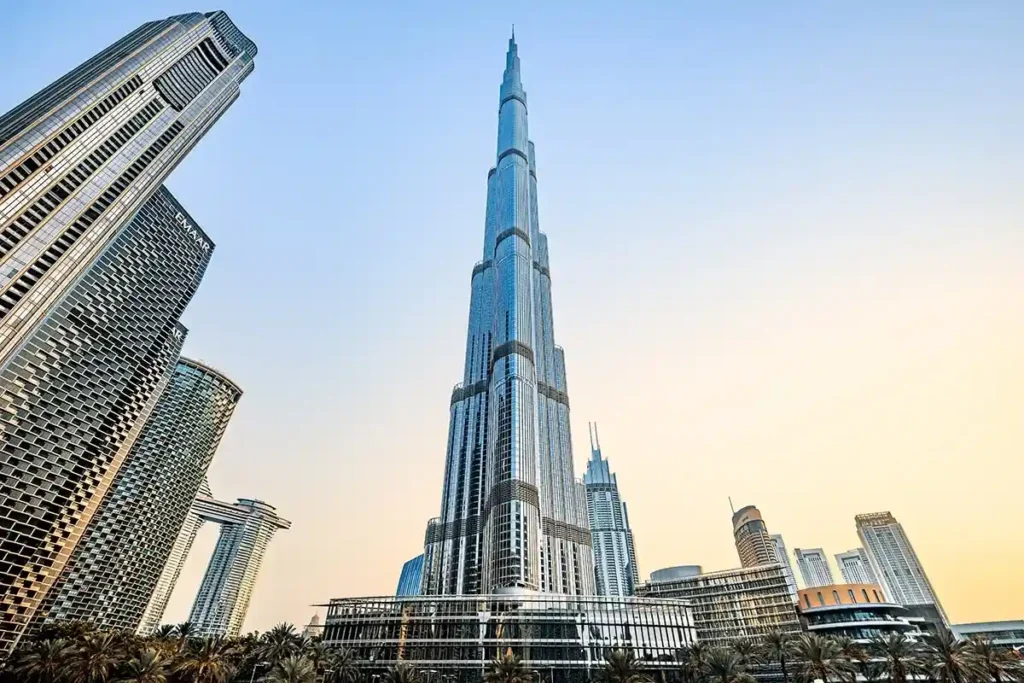
The broader Downtown Dubai project that surrounds the building, including Dubai Mall, Burj Lake, the fountain system, the road network, and the surrounding residential and commercial developments, cost approximately USD 20 billion in total. The Burj Khalifa is one piece of a much larger development that Emaar has been building around it since the early 2000s.
What Did the Materials Cost?
The scale of materials used in the Burj Khalifa is difficult to picture from numbers alone. Here are the key quantities that made up that USD 1.5 billion build cost.
The project used 330,000 cubic metres of concrete, enough to fill around 132 Olympic swimming pools. It used 39,000 tonnes of steel rebar and 103,000 tonnes of structural steel. The glass facade required more than 26,000 hand-cut glass panels covering a total surface area equivalent to 17 football pitches. Each glass panel was cut and shaped individually because the building’s tapering, spiralling form means no two panels are the same shape.
Annual Maintenance Cost
Building the Burj Khalifa was the first cost. Keeping it running is the ongoing one. The annual maintenance cost is estimated at approximately USD 4 million per year. This covers cleaning the glass facade (a 3-month job using robotic systems), maintaining the elevator and mechanical systems, running the air conditioning and water systems, and keeping the observation decks and public areas in operating condition.
For a breakdown of everything contained across the 163 floors, see our Burj Khalifa floors guide.
How Long Did It Take to Build the Burj Khalifa?
The exact answer is 6 years and 1 month. Ground was broken on January 6, 2004 and the opening ceremony was on January 4, 2010. If you count from the start of the design phase in 2002, the full timeline from first concept to completed building was approximately 8 years. That speed is worth putting in context.
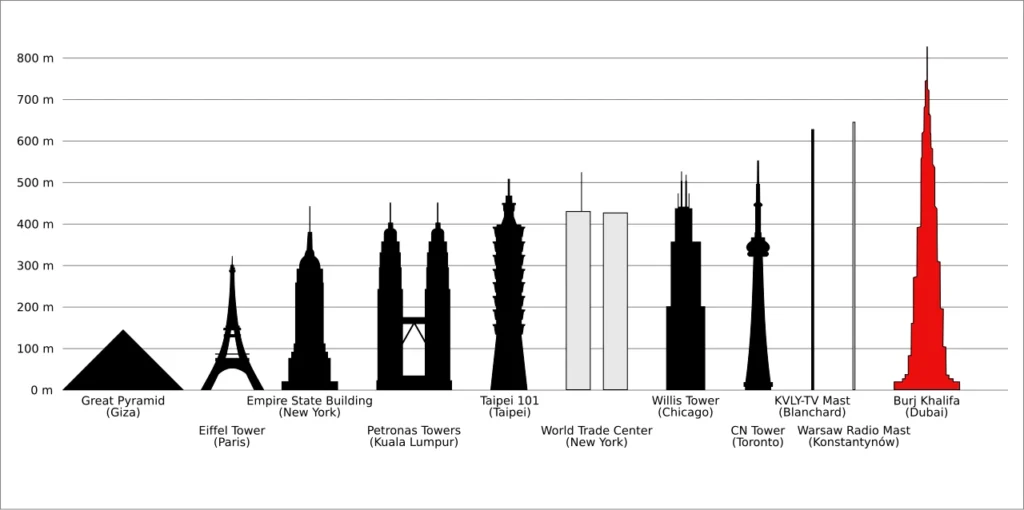
The Empire State Building in New York was completed in 410 days in 1931, but it is less than half the height of the Burj Khalifa and was built with a much simpler structural system. One World Trade Center in New York, which is 541 metres tall, took 8 years to complete. The Burj Khalifa is 287 metres taller than One WTC and was finished in 6 years, which gives you some sense of how efficiently the construction was managed.
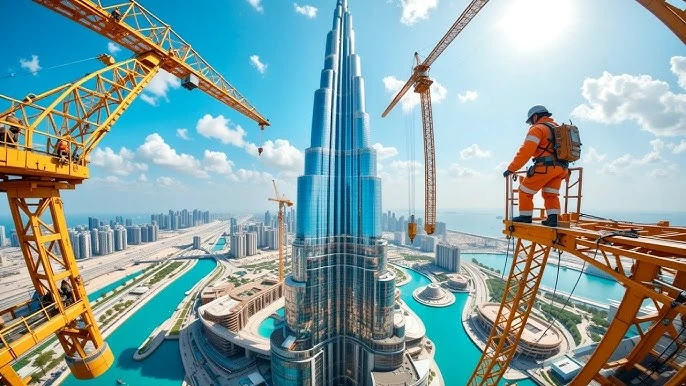
The fastest phase of construction was 2006 to 2007, when the team completed one floor every three days at peak pace. That speed required precise coordination across thousands of workers, continuous concrete deliveries, and a construction schedule that ran 24 hours a day, 7 days a week. To see what visitors can experience in the finished building today, check our At The Top Burj Khalifa guide.
The Workers: Who Built the Burj Khalifa?
At the peak of construction in 2006 and 2007, 12,000 workers were on the Burj Khalifa site simultaneously. Across the full 6-year project, the total number of people involved in planning, design, and construction is estimated at over 30,000. The total man-hours worked across the project reached 22 million.
Workers came from over 100 nationalities. The largest groups were from India, Pakistan, the Philippines, South Korea, and other parts of Southeast Asia and the Middle East. On-site facilities included 600 worker apartments, canteens serving meals around the clock, medical facilities, and recreation areas. The scale of the worker accommodation was itself equivalent to a small town.
The safety record for the Burj Khalifa construction is a topic that deserves honest reporting. One worker fatality was confirmed during the construction period. For a project of this size, duration, and complexity, that number is significantly lower than industry averages for comparable projects.
Worker welfare conditions on large Gulf construction sites during this period were the subject of ongoing scrutiny from labour rights organisations, and Emaar faced questions about working conditions during the project. The 22 million man-hours figure is the most commonly cited statistic when discussing the human scale of the build.
Engineering Challenges and How They Were Solved
Building 828 metres of structure presented problems that had never been solved at this scale before. Here is what the engineers faced and what they did about it.
The Wind Problem
A building this tall acts like a giant lever. Wind pushing against the upper floors creates enormous rotational forces at the base. SOM tested 40 different physical models of the building in a wind tunnel before settling on the final design. The Y-shape and 27 setback tiers were the solution, constantly breaking up wind loads as they travel up the structure.
The Heat Problem
Concrete cannot be poured safely in temperatures above 40 degrees Celsius because it sets too quickly and unevenly. In Dubai, summer daytime temperatures regularly exceed 45 degrees.
The engineers solved this by pouring all concrete at night, when temperatures drop enough for safe mixing. Ice was also added directly to the concrete mix to keep it cool during the pour. A special cement formula was developed specifically for the project that performs better in extreme heat than standard construction concrete.
The Foundation Problem
The Burj Khalifa weighs approximately 500,000 tonnes. That weight needs to be transferred safely into the ground through sandy desert soil that is not naturally capable of bearing it.
The solution was a foundation system of 192 reinforced concrete piles, each 1.5 metres in diameter and driven up to 50 metres deep into the ground. These piles are topped by a reinforced concrete mat nearly 4 metres thick that spreads the load across all 192 piles simultaneously.
The Water Problem
Pumping water to the upper floors of the building requires overcoming gravity across over 600 metres of vertical distance. No single pump can push water that high. The engineers installed a staged pump system where water is pumped up in sections, with relay pump stations at different floor levels pushing it the next section upward.
The system also manages the building’s cooling water, drainage, and fire suppression across all 163 floors.
The Elevator Problem
Traditional elevator cables become too heavy to function effectively beyond around 500 metres because the weight of the cable itself exceeds what the motor can manage. The Burj Khalifa solved this with the sky lobby transfer system. No single elevator travels the full height of the building. Passengers transfer between elevator groups at sky lobbies on floors 43, 76, and 123, with each group of elevators covering one zone of the building. The fastest elevators travel at 10 metres per second and reach floor 124 in under 60 seconds from the ground.
The Temperature Problem
The temperature at the top of the Burj Khalifa is approximately 6 degrees Celsius cooler than at the base. This means the building needs completely different climate control systems for different zones. The air conditioning system is one of the most complex in any building in the world, with different cooling and heating requirements for the hotel floors, residential floors, office floors, and mechanical levels.
The Dubai Fountain that sits at the base of the building was part of the same Emaar development project. Our Burj Khalifa Fountain Show guide covers everything about that attraction.
Why Was It Called Burj Dubai and Then Renamed?
Throughout the entire construction period from 2004 to 2010, the building was known as Burj Dubai, which simply means Tower of Dubai in Arabic. The name Burj Khalifa appeared for the first time at the opening ceremony on January 4, 2010.
The reason for the name change comes from the financial crisis of 2008 and 2009. Dubai’s property market collapsed during the global financial crisis and Dubai’s government-linked companies faced serious debt problems. The emirate of Dubai required financial assistance from Abu Dhabi, the wealthiest emirate in the UAE and the seat of federal government.
Sheikh Khalifa bin Zayed Al Nahyan, who was both the President of the UAE and the ruler of Abu Dhabi, provided the financial support that stabilised Dubai through the crisis. In recognition of that support, the building was renamed Burj Khalifa in his honour. Mohamed Alabbar announced the new name live on stage at the opening ceremony, and the name was displayed on the building’s LED facade for the first time that night.
The timing of the announcement surprised many of the guests at the ceremony, including some who had worked on the project for years and still expected to hear it called Burj Dubai. For the full story on who owns and controls the building today, see our Burj Khalifa owner guide.
Burj Khalifa — Key Construction Facts at a Glance
| 🔍 Fact | 📊 Detail |
|---|---|
| 🗓️ Construction Start | January 6, 2004 |
| 🎉 Opening Date | January 4, 2010 |
| ⏱️ Total Build Time | 6 years and 1 month |
| ✏️ Architect | Adrian Smith, SOM |
| 🔩 Structural Engineer | Bill Baker, SOM |
| 🏢 Developer | Emaar Properties |
| 💰 Construction Cost | USD 1.5 billion |
| 👷 Peak Workers On-Site | 12,000 workers |
| ⚙️ Total Man-Hours | 22 million |
| 🪨 Concrete Used | 330,000 cubic metres |
| 🔧 Steel Rebar | 39,000 tonnes |
| 🏗️ Structural Steel | 103,000 tonnes |
| 🪟 Glass Panels | 26,000 hand-cut panels |
| 🪝 Foundation Piles | 192 piles, each 1.5 m wide |
| 📏 Deepest Pile | 50 metres below ground |
| 📐 Foundation Mat Thickness | 4 metres |
| ⚖️ Building Weight | 500,000 tonnes |
| 💧 Highest Concrete Pump | 606 metres — world record during construction |
| 🏢 Floors | 163 above ground |
| 📏 Final Height | 828 metres (2,717 ft) |
For the dining experience that sits on floor 122 of this building, our Atmosphere Burj Khalifa guide covers the world’s highest restaurant in full.
What Records Did the Burj Khalifa Break When It Opened?
When the Burj Khalifa opened on January 4, 2010, it broke eight Guinness World Records simultaneously on a single day. No building had ever done that before.
The records it set on opening day were: tallest building in the world by all three CTBUH criteria, tallest freestanding structure on Earth, building with the most floors, highest occupied floor, highest outdoor observation deck, fastest elevator travel distance, highest restaurant from ground level, and highest New Year’s fireworks display from a building. It also set the world record for the highest concrete pumping operation during construction, with concrete pumped to a height of 606 metres, a record that still stands.
The Armani Hotel inside the building also holds its own distinction as the world’s first hotel personally designed by Giorgio Armani. For everything about staying inside the world’s tallest building, see our Armani Hotel Dubai guide.
The Bottom Line
The Burj Khalifa is 6 years of around-the-clock work, 12,000 people on site at peak, USD 1.5 billion spent, and a set of engineering problems that had never been solved at this scale before. Every major challenge from the wind to the heat to the weight to the water supply was solved with a purpose-built solution that did not exist before this project needed it.
The building that resulted holds more world records than any other structure ever built. It changed what people thought was possible in construction, and it changed what Downtown Dubai looked like, felt like, and was worth. That combination of ambition and execution is what makes the Burj Khalifa more than just a tall building.
If you are planning a visit, our how to get to Burj Khalifa guide covers every transport option and the exact entry points. The building also has a fascinating connection to the film world. Our Tom Cruise Burj Khalifa article covers how Mission Impossible Ghost Protocol used the building in some of the most famous climbing scenes ever filmed.
For those curious about what it is like to live inside the world’s most famous building, our Burj Khalifa residence guide covers the private residential life in full. And when you are ready to visit, our Burj Khalifa Tickets page has the latest prices and availability for all three observation deck levels.
Frequently Asked Questions
1. Who built the Burj Khalifa?
The Burj Khalifa was developed by Emaar Properties, founded by Mohamed Alabbar in Dubai. The architect was Adrian Smith and the structural engineer was Bill Baker, both working at Skidmore, Owings and Merrill (SOM) in Chicago. The general contractor was a joint venture between Samsung C and T Corporation from South Korea, Besix from Belgium, and Arabtec from the UAE.
2. When was the Burj Khalifa built?
Construction started on January 6, 2004. The tower topped out at its full height of 828 metres on January 17, 2009. The building officially opened on January 4, 2010 after a year of interior fit-out and mechanical installation work.
3. How long did it take to build the Burj Khalifa?
It took 6 years and 1 month from the start of construction in January 2004 to the opening in January 2010. If you count from the start of the design phase in 2002, the full timeline from first concept to completed building was approximately 8 years. At the fastest point during construction, the team was completing one new floor every three days.
4. How much did the Burj Khalifa cost to build?
The construction cost of the Burj Khalifa was USD 1.5 billion. The broader Downtown Dubai development project surrounding the building cost approximately USD 20 billion in total. The annual maintenance cost of the building is estimated at around USD 4 million per year.
5. How many workers built the Burj Khalifa?
At the peak of construction, 12,000 workers were on site simultaneously. The total number of people involved across planning, design, and construction is estimated at over 30,000. The total man-hours worked across the 6-year project reached 22 million. Workers came from over 100 different nationalities.
6. Why was the Burj Khalifa renamed from Burj Dubai?
The building was known as Burj Dubai throughout its entire construction period. When Dubai faced financial difficulties during the 2008 to 2009 global financial crisis, the emirate received financial support from Abu Dhabi. The building was renamed Burj Khalifa in honour of Sheikh Khalifa bin Zayed Al Nahyan, the President of the UAE and ruler of Abu Dhabi, at the opening ceremony on January 4, 2010.
7. What are the most interesting Burj Khalifa construction facts?
The most surprising facts are: all concrete was poured at night because Dubai daytime temperatures are too hot for safe concrete setting; the building weighs 500,000 tonnes and sits on 192 concrete piles driven up to 50 metres into the ground; the design was inspired by a desert flower called the Hymenocallis; and the building broke 8 Guinness World Records on the day it opened. The concrete pumping during construction reached 606 metres, which is itself a world record that still stands today.
