

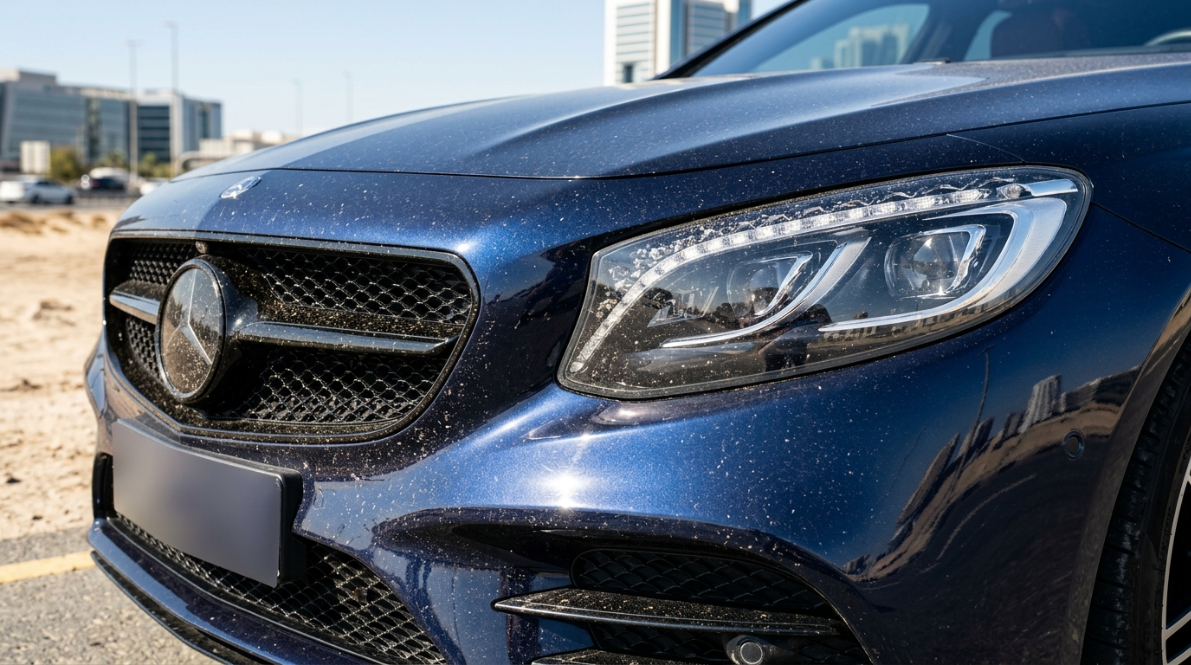
Luxury car owners should take extra care because small marks can be costly to repair and may reduce the car’s clean appearance. Protecting exposed panels, washing the vehicle safely, and parking away from direct heat can help keep the paint glossy and reduce long-term damage.
Why Luxury Car Paint Faces More Risk in Abu Dhabi?
Abu Dhabi combines several conditions that can be hard on vehicle paint. Summer heat can rise above 45°C, while intense UV rays place constant stress on the clear coat. Windblown sand can create fine scratches, and highway traffic can send small stones toward the vehicle.
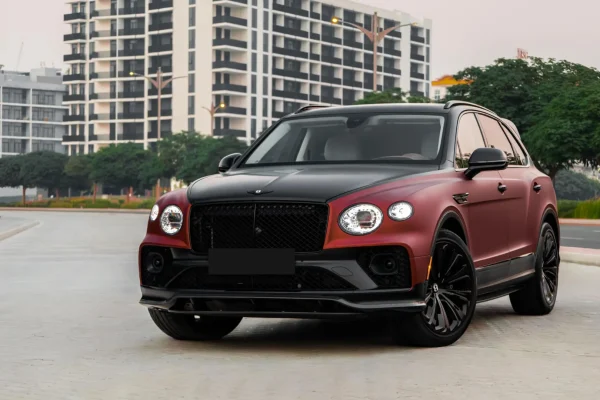
Coastal air adds another concern because moisture and salt can react with dirt and pollutants on the surface. For a luxury vehicle, these problems can become more noticeable because owners expect the paint to remain smooth, deep, and glossy.
Main Reasons Luxury Car Paint Needs Extra Protection
1. Intense UV Rays Can Fade the Finish
Strong sunlight is one of the biggest threats to vehicle paint in Abu Dhabi. Long exposure to UV rays can slowly break down the clear coat and reduce the depth of the finish. Over time, the paint may begin to look dull or faded instead of bright and glossy.
Dark colors can make this change even easier to notice. Parking under cover whenever possible can reduce direct exposure. A suitable paint protection product can also provide another layer between the factory finish and the harsh local sunlight.
2. Desert Sand Creates a Sandblasting Effect
Fine desert sand can act like sandpaper when it repeatedly hits a moving vehicle. This becomes more noticeable during highway trips between Abu Dhabi, Dubai, and other areas. Dust and sand can create tiny surface marks that build up over time.
Wiping a dusty car with a dry cloth can make the problem worse by dragging particles across the paint. A protective film provides a physical barrier that takes much of this contact instead of the original finish, making it useful for frequent highway drivers.
3. Highway Debris Can Cause Deep Chips
Loose gravel and small stones are another major concern for luxury vehicles. Trucks and other cars can throw debris toward vehicles following behind them, especially on busy highways or roads near construction areas.
These impacts can chip the bumper, hood, front fenders, and side mirrors. A few small marks may not seem serious, but repeated impacts can make the front of an expensive vehicle look worn.
Physical protection on high-impact areas can help reduce the number of chips that reach the original paint.
4. Coastal Humidity Can Affect Unprotected Paint
Abu Dhabi’s coastal location brings humidity and salty air, which can combine with dust, industrial pollution, and other contaminants. When these substances remain on the paint, they can create stains or chemical marks.
Mineral-heavy water can also leave spots that become harder to remove under strong heat. Regular cleaning helps reduce the time these contaminants remain on the surface.
Keeping the paint protected can provide another layer of defense and make it easier to deal with common environmental contaminants.
5. Luxury Paint Can Be Costly to Repair
Paint repairs on luxury and exotic vehicles can be more expensive than repairs on ordinary cars. Matching a special factory color, repairing several panels, or restoring a damaged clear coat may require skilled work.
Some luxury cars also have unique paint finishes that need careful treatment. Preventing damage is often easier than restoring it later.
Protecting the most exposed areas can help reduce the chance of repeated chips, scratches, and surface wear, especially for owners who drive their vehicles regularly.
6. PPF Provides Physical Impact Protection
Paint protection film is designed to provide a clear physical barrier over the vehicle’s paint. Quality polyurethane film can help absorb the impact of small stones and reduce damage from sand and light surface contact.
Some premium films also have self-healing properties that can reduce the appearance of minor scratches when exposed to heat.
For luxury car owners looking for reliable protection, a trusted workshop such as Zenfo Auto Services can provide paint protection film in Abu Dhabi for high-risk areas such as the bumper, hood, fenders, and mirrors.
7. Ceramic Coating Helps With Daily Contaminants
Ceramic coating works differently from PPF. Instead of creating a thick impact barrier, it forms a thin protective layer that helps repel water, dust, bird droppings, and some chemical contaminants.
Its hydrophobic surface can also make regular washing easier. Ceramic coating is useful for owners who want to maintain gloss and reduce cleaning effort, but it does not provide the same level of protection against stone chips as PPF. The best choice depends on how and where the vehicle is driven.
8. Safe Washing Helps Prevent Swirl Marks
Cleaning habits can also affect luxury car paint. Automatic washes with rough rotating brushes can trap dirt and drag it across the surface, creating swirl marks. Dry-wiping dusty paint can cause similar problems.
Hand washing with a pH-neutral shampoo and clean microfiber towels is a safer option. Touchless washing can also reduce direct contact with the paint.
Washing the vehicle regularly helps remove sand, bird droppings, and road grime before heat causes them to stick firmly to the surface.
PPF, Ceramic Coating, or Both?
The right protection depends on the vehicle and driving routine. PPF is better suited to areas exposed to stone chips and sand because it provides physical protection. Ceramic coating is more useful for gloss, water repellency, and easier cleaning.
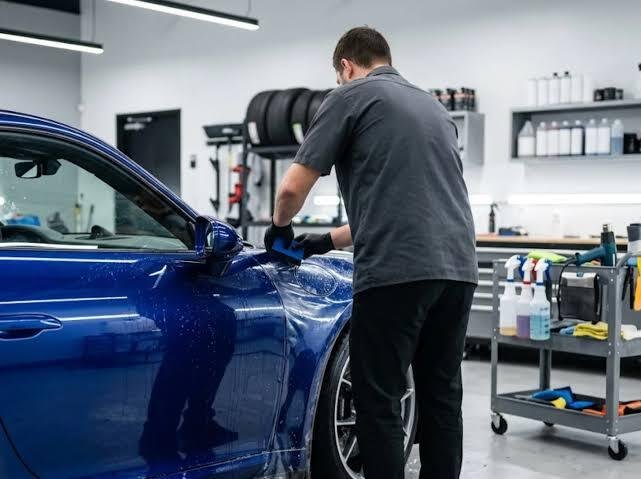
Luxury car owners who want broader protection can use both solutions. PPF can cover high-impact areas such as the front bumper and hood, while ceramic coating can be applied to other painted surfaces. This combination protects against both road impacts and everyday environmental contaminants.
Simple Ways to Protect Luxury Car Paint
Good protection starts with simple daily habits. A few changes to how you park, drive, and wash your car can help reduce paint damage in Abu Dhabi’s harsh conditions.
- Park in Covered Areas: Choose covered or underground parking whenever possible to reduce direct exposure to strong sunlight and heat.
- Remove Contaminants Quickly: Clean bird droppings, insect marks, and other contaminants as soon as possible to prevent them from drying and marking the paint.
- Keep a Safe Distance: Avoid driving too close behind trucks and large vehicles because they can throw loose stones and road debris toward your car.
- Wash the Car Regularly: Use suitable car shampoo and clean microfiber towels to remove sand, dust, and road grime without creating extra scratches.
- Avoid Dry-Wiping Dust: Do not wipe a dusty surface with a dry cloth, as trapped sand particles can create fine scratches and swirl marks.
- Use Paint Protection: Combining safe maintenance with PPF or ceramic coating can provide extra protection against the conditions luxury cars face on Abu Dhabi roads.
Final Thoughts
Luxury car paint faces serious challenges on Abu Dhabi roads because of intense UV rays, desert sand, highway debris, heat, and coastal humidity. These conditions can cause fading, micro-scratches, chips, stains, and other surface damage over time.
PPF provides strong physical protection, while ceramic coating helps with gloss and environmental contaminants. Safe washing and careful parking also matter.
For luxury car owners who want to preserve the factory finish, protecting the paint early can help avoid costly repairs and keep the vehicle looking its best.
