

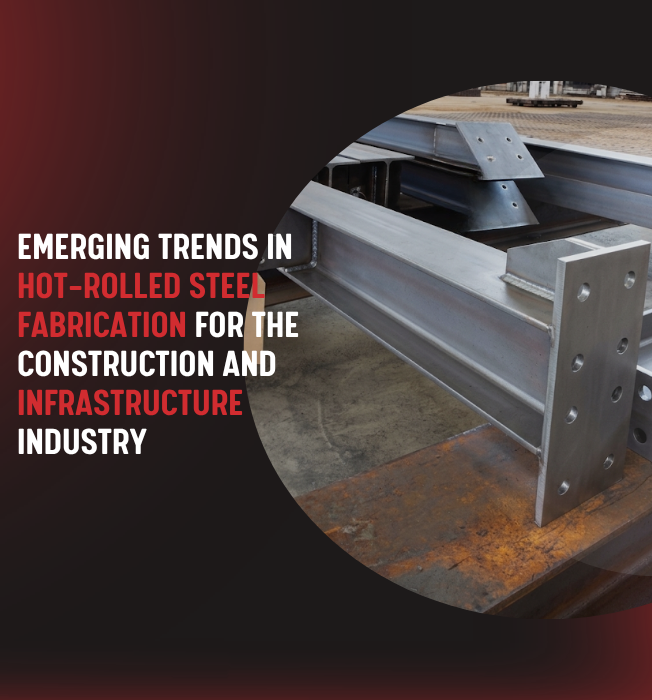
Even with its initial workings, times are changing, and therefore hot-rolled fabrication trends are changing too. So, what are the trends in hot-rolled steel fabrication you should watch out for as time shifts?
Top Trends in Hot-Rolled Steel Fabrication for Construction
Structural steel is only advancing in the business. With technology and new methods, everything is changing. So, to avoid falling behind in the future, structural steel fabrication companies in the UAE need to stay on top of trends as well.
1. Software is Catching Mistakes Before They’re Built
BIM (Building Information Modeling) is software that allows engineers to build a 3D model of a structure, including every steel beam and connection, before anything is fabricated. It’s been around for years and is used by almost all top steel fabrication companies in the UAE.
But it is now almost mandatory on larger projects, making it one of the more obvious trends in hot rolled steel fabrication over the last few years. Project owners, rather than software improvements alone, are driving this shift.
- With BIM, an engineer can find a beam that won’t fit before it’s cut, rather than on site
- Digital twins, live computer copies of what’s happening on a factory floor, can help managers see when a bottleneck is forming.
- Software-linked cameras are beginning to automatically inspect welds and measurements on the line
2. More Steel is Being Assembled Off-site
Building parts of a structure in a factory and shipping finished sections to the job site minimizes delays. That matters more to developers than almost anything else. The U.S. prefabricated buildings market was valued at $146.47 billion in 2024 and is expected to reach $208 billion by 2030, growing at a compound annual growth rate of more than 6%.


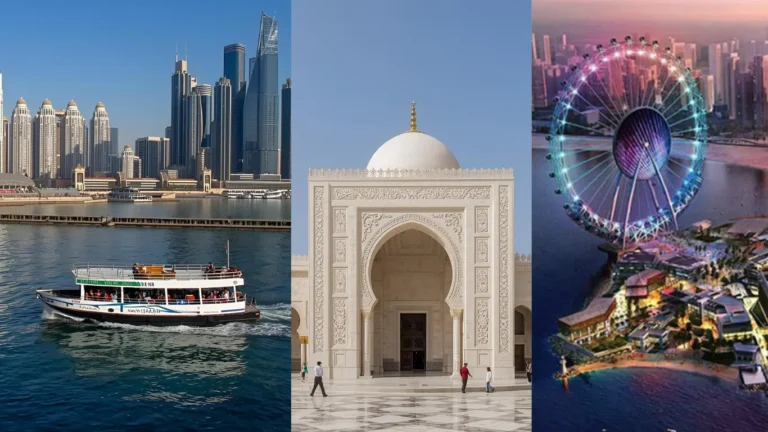




In the UAE, the prefabricated construction market in the country has witnessed steady growth during the period 2021-2025, attaining a CAGR of 8.7%. The upward trend is anticipated to continue, with the market expected to grow at a CAGR of 6.7% during 2026-2030.
3. Steel Sourcing is More Important Than Ever Now
Dubai Customs has also been imposing a 10% import duty on rebar and wire rod since 2019. It is mainly to manage the import of cheap steel from China or other places. Recently, the government extended this policy to stay in place until October 2026 for all steel fabrication companies in Dubai.
And the approach seems to be beneficial as local steel consumption has jumped from about 180,000 metric tons a few years ago to a whopping 350,000 metric tons each month now.
4. Cleaner Steel is Now Being Sold, Not Just Tested
In October 2024, Masdar and EMSTEEL launched the UAE’s very first green steel project in Abu Dhabi. They left the reliance on coal, and now it uses hydrogen to create steel. So, this automatically reduces its carbon footprint significantly.
While it currently represents just a small portion of overall production, it’s a fully operational plant rather than just a concept in a lab. Similar initiatives are already underway in Japan and parts of Europe.
5. Robots are Replacing Welders
This isn’t just a trend that companies decided to follow; it’s something they were forced into. You can’t simply hire your way out of such a massive gap. That’s why fabrication shops are now adopting the kind of automation that used to be exclusive to car manufacturing.
- Robots are taking care of the repetitive welding tasks on beams and columns.
- Automated cutting machines are stepping in to handle what used to be manual layout and torch work.
- One machine can cut, drill, and mark a beam all in one go, instead of having to do it in three separate steps.
Robots don’t get tired and sloppy as a shift goes on, which becomes crucial when the seasoned welders are no longer around, and newer teams take over.
What Builders Actually Need to Change
Automated cutting lines don’t allow for the kind of quick thinking and adjustments that a welder used to make on the spot. A robot simply cuts to the exact dimensions it’s programmed with. This change pushes the actual costs onto the builder’s timeline.
- Shop Drawings need to be approved weeks ahead of time compared to manual fabrication. This is because there’s no one on the production line to make adjustments if a measurement turns out to be off.
- Once cutting has begun, a change order is more expensive than it used to be.
- Off-site modules demand early design lock-in and logistics planning for oversized loads, as a finished module doesn’t have the capacity to absorb a last-minute change like site-assembled steel can sometimes.
- Green building credits now require mill certificates showing the carbon footprint of a steel shipment, not just its grade and strength.
Builders and steel structure companies in Dubai that overlook this initial coordination time may face delays later. They may then have to wait for the fabricator to correct an error that could have been resolved on-site.
Conclusion
Hot-rolled steel fabrication is becoming more technology-driven, automated, and closely connected to modern construction demands. From BIM and off-site assembly to robotic welding and lower-carbon steel production, these changes are reshaping how projects are designed and delivered.
For any construction company in Dubai, keeping up with these developments means planning earlier, coordinating designs carefully, and choosing capable fabrication partners.
As automation and sustainable sourcing continue to grow, steel fabrication companies in the UAE will play an increasingly important role in improving project efficiency and quality. For builders and developers, understanding these trends today can help create faster, more predictable, and future-ready construction projects.
