

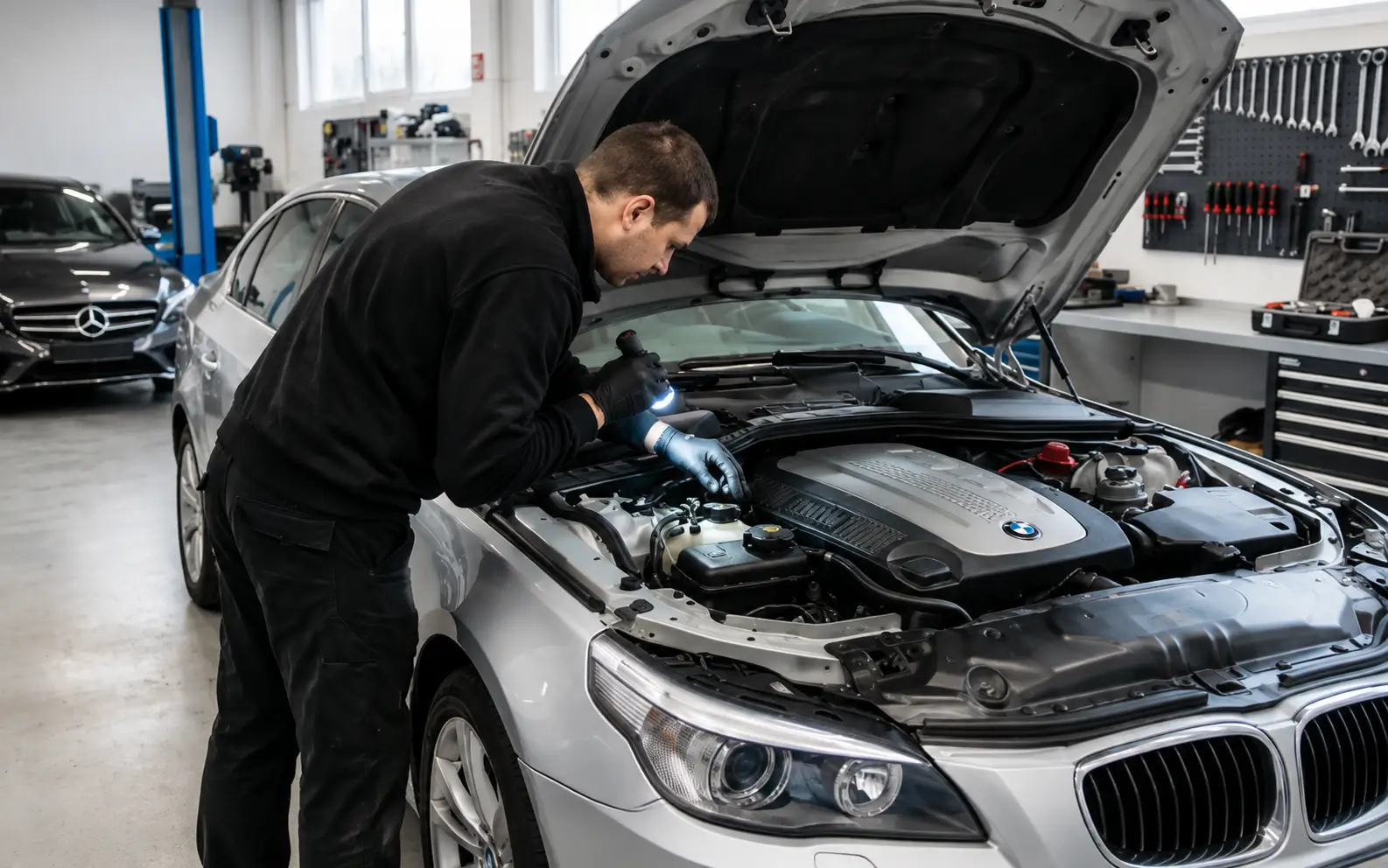
The most common BMW engine and cooling system problems include electric water pump failure, coolant leaks, radiator blockages, and thermostat issues. Other common concerns include damaged expansion tanks, failing hoses, and engine oil leaks caused by worn components.
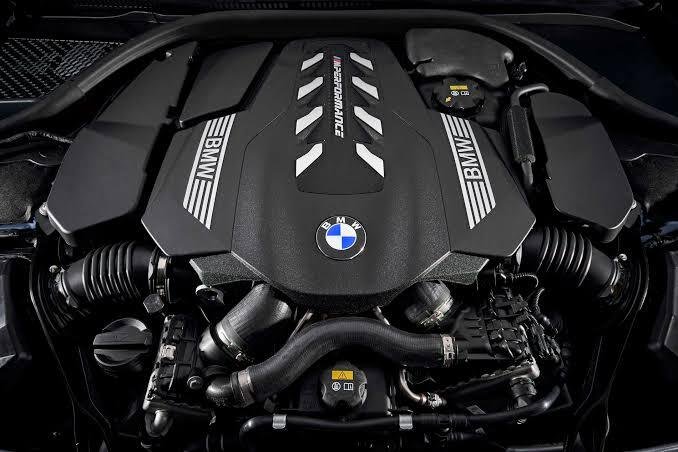
Weak batteries and neglected maintenance can also affect cooling system performance and increase the risk of overheating. Finding these problems early helps prevent expensive engine repairs and keeps your BMW performing at its best.
Why Are BMW Cooling System Problems Common?
BMW engines operate at higher temperatures than many other vehicles to improve performance and fuel efficiency. While this design works well, it also means every cooling system component must perform correctly.
In regions where summer temperatures often exceed 45°C, the cooling system works even harder. Heat, dust, and stop-and-go traffic increase wear on plastic components, electric water pumps, hoses, and coolant lines, making regular inspections essential for preventing overheating and costly engine damage.
Common BMW Engine and Cooling System Problems
BMW cooling and engine problems often begin with small warning signs before turning into major repairs. Understanding these common issues allows owners to take action early and avoid unexpected breakdowns.
| Problem | Common Cause | Possible Result |
| Electric water pump failure | Heat and electronic wear | Engine overheating |
| Expansion tank cracks | Plastic deterioration | Coolant leaks |
| Radiator blockage | Sand and dust buildup | Poor engine cooling |
| Oil filter housing gasket leak | Aged rubber gasket | Oil leaks and belt damage |
| Valve cover gasket leak | Heat-related gasket failure | Oil leaks and engine misfires |
| Thermostat failure | Wear and overheating | Unstable engine temperature |
| Coolant hose damage | Heat and pressure | Coolant loss |
| Low coolant level | Leaks or poor maintenance | Overheating |
| Dirty cooling system | Old coolant and debris | Reduced cooling efficiency |
BMW engine and cooling system issues require proper inspection because small problems can quickly become expensive repairs. Choosing a trusted BMW workshop in Abu Dhabi like Exotic Auto Services helps ensure your vehicle receives accurate diagnostics, specialist care, and professional maintenance using advanced equipment.










Experienced technicians can identify early warning signs and recommend the right solutions to keep your BMW performing reliably.
Let’s discuss the problems in detail:
1. Electric Water Pump Failure
Many modern BMW models use electric water pumps instead of traditional mechanical pumps. These pumps commonly fail after years of operating in high temperatures.
When the pump stops working, coolant can no longer circulate properly, causing the engine temperature to rise very quickly.
Drivers may notice warning lights, reduced engine power, or overheating. Replacing a weak water pump before complete failure is one of the best ways to avoid serious engine damage.
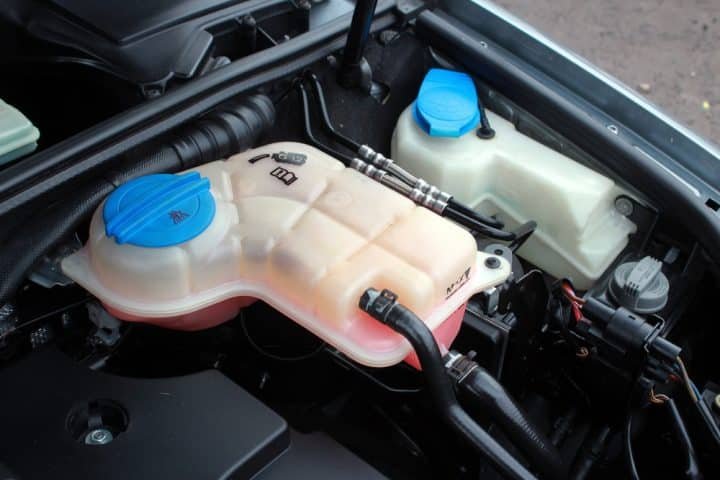
2. Cracked Coolant Expansion Tank
BMW expansion tanks are often made from plastic, which becomes brittle after repeated exposure to extreme heat. Over time, small cracks may develop and allow coolant to leak from the system.
Even a small coolant leak can reduce cooling efficiency and eventually cause the engine to overheat. Regular inspections help identify damaged expansion tanks before they fail and leave the vehicle stranded.
3. Radiator Blocked by Sand and Dust
Dust and sand can easily collect between the radiator and air conditioning condenser, especially when driving in desert conditions. This buildup blocks airflow and prevents heat from leaving the cooling system efficiently.
As a result, engine temperatures increase, particularly during slow-moving traffic. Professional radiator cleaning removes trapped debris and restores proper airflow, helping the engine maintain safe operating temperatures throughout the year.
4. Oil Filter Housing Gasket Leaks
The oil filter housing gasket is one of the most common oil leak points on many BMW engines. Heat causes the rubber gasket to harden and lose its sealing ability over time. Oil may begin leaking onto nearby engine components and even the drive belt.
If ignored, the leaking oil can lead to expensive engine damage. Early gasket replacement helps prevent larger mechanical problems and keeps the engine clean.
5. Valve Cover Gasket Failure
The valve cover gasket seals the top of the engine and keeps oil contained inside. Continuous exposure to engine heat eventually causes the gasket to crack or shrink.
Oil may leak into spark plug wells, causing engine misfires, or drip onto hot engine parts, creating a burning smell. Replacing the gasket when leaks first appear helps maintain engine performance and prevents further damage.
6. Thermostat Problems
The thermostat controls how coolant flows through the engine. A faulty thermostat may remain closed, causing overheating, or remain open, preventing the engine from reaching the correct operating temperature.
Both situations reduce engine efficiency and may trigger dashboard warning lights. Routine inspections during scheduled servicing help identify thermostat problems before they affect engine performance.
7. Damaged Coolant Hoses
Coolant hoses constantly carry hot coolant between different engine components. High temperatures and pressure gradually weaken the rubber material, increasing the risk of cracks or leaks.
Even a small leak can reduce coolant levels and eventually cause overheating. Checking hoses for swelling, softness, or visible cracks during every service helps prevent unexpected failures.
8. Low or Contaminated Coolant
Coolant protects the engine from overheating while also preventing internal corrosion. Simply topping up coolant repeatedly without fixing the source of leaks is not a long-term solution. Old or contaminated coolant also loses its ability to transfer heat efficiently.
Flushing the cooling system and replacing coolant at the recommended intervals helps maintain proper engine temperature and protects internal components.
9. Engine Overheating
Engine overheating is often the final result of several cooling system problems combined. A failing water pump, blocked radiator, coolant leak, or faulty thermostat can all contribute to rising engine temperatures.
Continuing to drive an overheating BMW can cause severe engine damage, including warped cylinder heads or damaged head gaskets. Drivers should stop the vehicle safely and arrange professional inspection immediately if overheating occurs.
Warning Signs Your BMW Cooling System Needs Attention
Many cooling system problems provide early warning signs before complete failure. Paying attention to these symptoms can help avoid expensive repairs.

- Engine temperature rising: A higher-than-normal temperature gauge often indicates the cooling system is no longer working efficiently.
- Low coolant warning light: Frequent coolant warnings may point to hidden leaks or failing cooling system components.
- Coolant leaking under the vehicle: Visible coolant puddles should always be inspected before driving further.
- Steam from the engine bay: Steam usually indicates coolant loss or severe engine overheating that requires immediate attention.
- Burning smell from the engine: Oil leaking onto hot engine parts often creates a noticeable burning odor.
- Engine misfires: Oil entering spark plug wells can affect ignition performance and engine smoothness.
- Poor air conditioning performance: A blocked radiator can also reduce airflow through the air conditioning condenser.
- Unusual cooling fan operation: Fans running continuously may indicate the engine is struggling to stay cool.
- Repeated overheating: Multiple overheating incidents usually point to a larger cooling system problem that needs professional diagnosis.
How to Prevent BMW Engine and Cooling System Problems?
Preventive maintenance is the best way to avoid major engine repairs. Regular inspections allow technicians to identify worn components before they fail and help keep the cooling system operating efficiently.
- Flush the coolant according to the recommended service schedule.
- Replace the electric water pump before it reaches the end of its expected lifespan.
- Inspect the thermostat during cooling system service.
- Check coolant hoses for cracks or swelling.
- Replace damaged expansion tanks before they leak.
- Clean the radiator and condenser to remove trapped sand and dust.
- Repair oil leaks as soon as they appear.
- Monitor coolant levels regularly.
- Schedule professional diagnostics during routine servicing.
Why Professional BMW Diagnostics Matter?
Modern BMW vehicles use advanced electronic systems to monitor engine performance, coolant temperature, and cooling system operation. Many problems can begin before a warning light appears on the dashboard.
Professional diagnostic tools help technicians identify hidden faults, check sensor performance, and find failing components before they lead to major engine problems. Early detection helps reduce repair costs and keeps your BMW running safely and efficiently.
Based on its reputation for handling luxury and performance vehicles, Exotic Auto Services is a good choice for BMW owners who need professional diagnostics and cooling system inspections.
Their experienced technicians use advanced equipment to identify problems accurately and provide specialist maintenance that helps keep BMW vehicles performing reliably.
Conclusion
BMW engines deliver outstanding performance, but they depend on a healthy cooling system to operate safely. Regular coolant changes, radiator cleaning, oil leak repairs, water pump inspections, and professional diagnostics all play an important role in preventing overheating and expensive engine repairs.
Taking care of these components early helps improve reliability, extend engine life, and ensure your BMW continues to perform as designed for years to come.
