

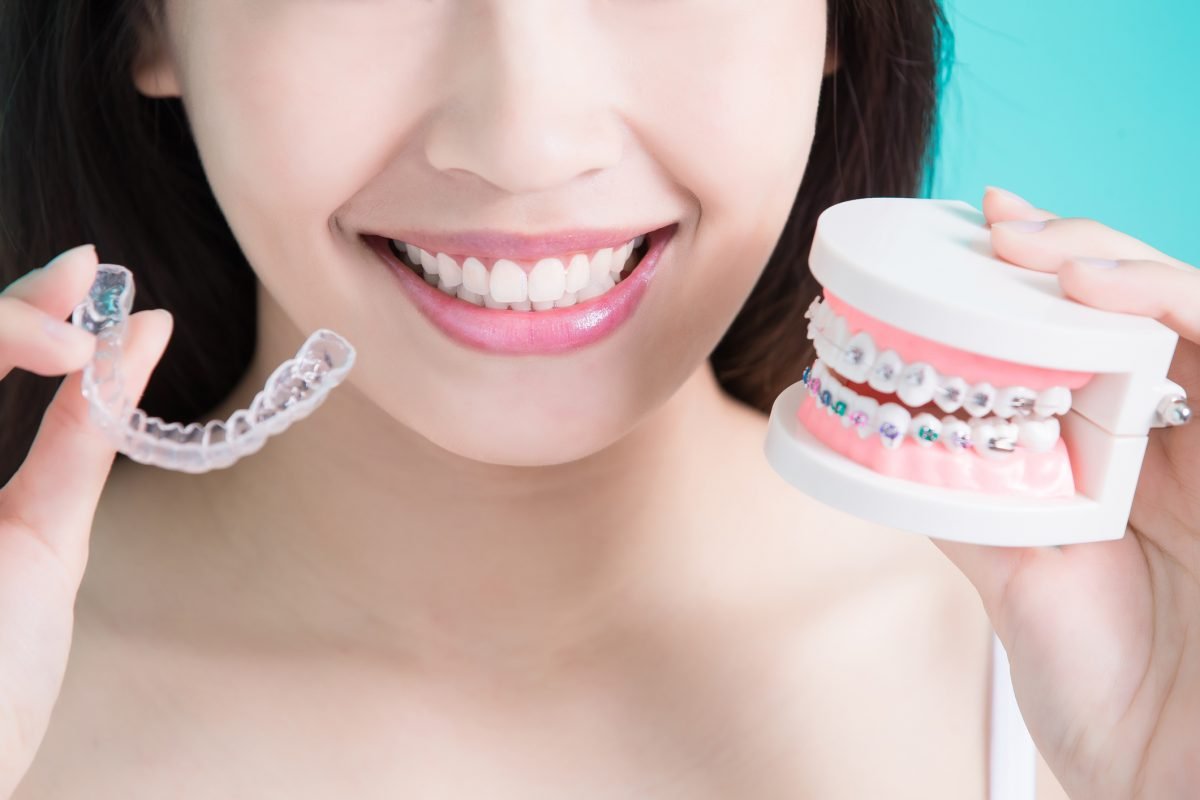
The article explains the situation when the braces are removed, describes what the dentist examines immediately afterward, and lists the checks that take place in the following months. If you know the sequence in advance, your visit will be easier and you will be more able to keep the results.
How the removal appointment actually goes
The process of removing braces is generally much less dramatic than most patients anticipate, and in many cases it requires less time than a regular adjustment.
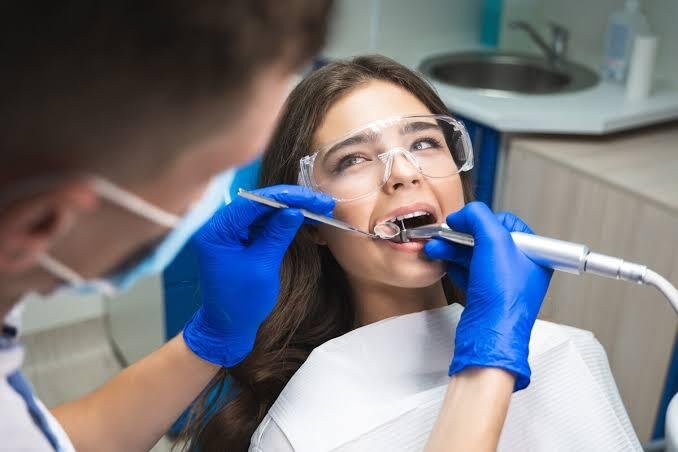
To carry out the procedure, the clinician bends the bracket base using specialised pliers until the adhesive comes away from the enamel; on each tooth you will notice a firm pressure and a small click. The bands that were placed around the back molars are removed in the same manner. Generally, anaesthetic is not required for any of this.
The more extended portion of the procedure involves removing the adhesive that remains. To achieve this, a slow polishing bur is used together with a series of finishing discs which gradually reduce the layer until the surface is once again smooth. This process does, however, cause vibration and a rather unusual noise, although the discomfort is usually only mild. After the teeth have been polished, the team takes final photographs and carries out either an intraoral scan or takes an impression in order to make the retainers.
Many clinics fit a bonded retainer on the same day and then hand the removable one over a short time later, so the teeth are not left without support for very long.
The first look in the mirror
At this stage, two or three things usually surprise patients, and in all cases this means that nothing has gone wrong.











Chalky white spots sometimes show up in the places where the brackets were. This happens because the plaque had been there long enough for the minerals to be washed out of the enamel. With the help of fluoride and proper cleaning, many of these spots disappear or become less noticeable over time, and your dentist can go over the various options if any of them are still visible.
The gums often appear uneven, with a slightly puffy look around the necks of the teeth, and it usually takes several weeks for them to settle down once brushing and flossing have once again covered all the surfaces. In adults, small dark triangles can appear between the front teeth because the gum tissue doesn’t always fill the gap when crowded teeth are straightened. It is also normal on that day for the teeth to feel very slightly mobile as the fibres surrounding each root get used to the new position.
Retainers, and why the first weeks matter most
While being treated the bone reshapes around the roots and continues to remodel even after the braces are removed; the fibres attached to each tooth also retain a memory of their original position and exert a gentle pull towards it. The degree of relapse is greatest in the first few months, which is the reason why the instructions for using a retainer are most strict at the beginning.
For most patients it is necessary to wear a removable retainer constantly or nearly so for a certain period of time before switching to wearing it only at night. In the long term, wearing it at night is continued since the teeth tend to shift slowly over a person’s lifetime even if they had never had braces. You should stick to the schedule that your own clinician prescribes, as this will depend on how far the teeth have moved and on how the bite has been finalised.
The fact that a retainer suddenly becomes tight is giving you some useful information. The teeth have begun to shift, typically occurring after a few nights without it. It often helps to put the retainer back on immediately, and if the fit remains uncomfortable then it’s worthwhile to book an appointment at a clinic.
Fixed wire, removable retainer, or both
A fixed retainer consists of a thin wire which is bonded behind the front teeth so that it is out of sight and is in operation throughout the day. To clean around it, one has to use floss threaders or an interdental brush, and the bond may at times come loose without any noticeable signs, which is one of the reasons why review appointments are important.
Removable retainers are typically transparent plastic trays which are produced from a scan of your completed teeth; they are removed when you are eating or cleaning your teeth and completely rely on the person wearing them to remember to use them.
Many appliances make use of both parts, the wire securing the front teeth and the tray covering the remaining portion of the arch. The length of time they last depends on your storage habits. You should keep the retainer in its case rather than in a tissue, rinse it after use and clean it with cool water because hot water causes the plastic to distort. Leaving a retainer in a car when it is parked during a summer afternoon in Dubai damages it, and that kind of repair visit is a common occurrence.
What your dentist checks in the months that follow
Follow-up isn’t just a matter of the retainer; there are several other things that are looked at once the brackets have been removed.
- It is important to prioritize gum health because the inflamed tissue resulting from the treatment over the months needs time to settle and usually requires a professional cleaning.
- Decay checks are carried out on the surfaces which were covered by the brackets, and an X-ray may be taken to examine between the teeth and to confirm the positions of the roots.
- At the following visits the bite settling is reviewed since the teeth take a few weeks after the wire is taken out to find their final positions.
- Each time the retainer fit is evaluated together with the bond of any fixed wire.
- When wisdom teeth are present, they are discussed on the basis of examination and imaging rather than on assumption since their position is unclear.
If you notice anything that seems wrong, such as a sharp spot when biting, jaw discomfort, or a tooth that feels different from the rest, please mention it. Following orthodontic treatment, reviews are generally scheduled at regular intervals during the first year and then incorporated into normal dental checkups when all the results have settled.
Whitening and small cosmetic touches
It is common for patients to desire their teeth whitened the week that their braces are removed. It is better to wait, since the enamel takes some time to rehydrate after the braces are taken off and the gums still need to adjust. Your dentist will be able to tell you when to begin and which method is appropriate for your enamel.
Minor abnormalities in the shape of the teeth, chips on the edges of the front teeth, or small variations in width can be corrected by careful polishing or by using a composite filling once the position has become stable. Such decisions are independent of orthodontic treatment and there is no need to hurry in making them.
Protecting the result for the long run
Treat the retainer in the same way that you treat brushing it. Make it a habit to book regular checkups and hygiene visits rather than waiting for a problem to arise. If a retainer is lost or cracked, replace it quickly rather than leaving a gap for weeks, because a new one made from your current teeth is much easier to have than having to move the teeth back later on. Individuals who complete their teeth braces and continue to stay in contact with their clinic generally are able to maintain their alignment comfortably for many years.
Conclusion
The day on which the braces are removed is brief, simple, and something to look forward to; just as important afterwards is having a retainer put in according to the scheduled timetable, allowing the gums to settle, and attending a number of follow-up appointments at which your dentist examines the enamel, the bite, and the fit of all the components that are holding the result in place. People who are thinking of getting braces in Dubai should ask about this phase during their first consultation, since the strategy for keeping the teeth straight is just as integral to the treatment as the wire itself.
Contact us
The Arjan branch of Magnum Dental Clinic is now open, whether you need routine check-ups or more advanced treatments.
Name: Magnum Dental Clinic – Arjan
Address: Building 88, Al Barsha South, Near Miracle Garden, Arjan, Dubai, United Arab Emirates
Phone: +971 55 890 8653
