

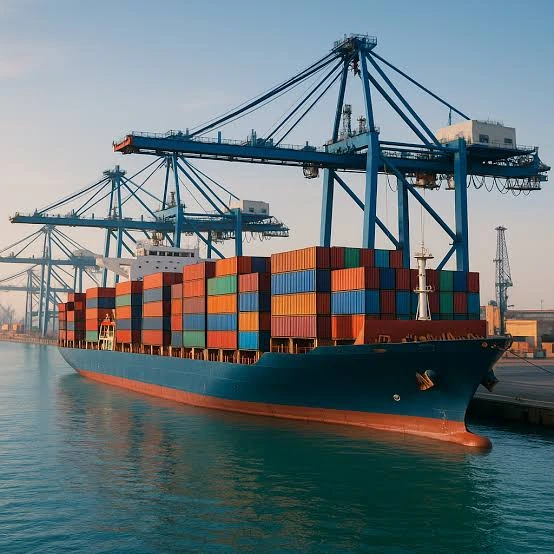
That is where cargo services come in. A good cargo partner moves your goods on time, at a fair price, and without constant follow-ups from your side.
In this guide, we’ll look at how cargo services support business growth, the main types you can use, and how to pick the right partner. Whether you run a small online store or a large trading company, these points apply to you.
| TL;DR (Quick Answer): Cargo services help businesses sell in new cities and countries without opening new shops.On-time delivery and live tracking keep customers happy and bring them back.Good cargo partners handle storage, paperwork, and customs, so you can focus on selling.Combining shipments and picking the right mode cuts shipping costs.Air is fastest, sea is cheapest for big loads, and land works best for local delivery. |
What Are Cargo Services?
Cargo services are companies that move goods from one place to another for businesses. They use trucks, trains, ships, and planes to do it.
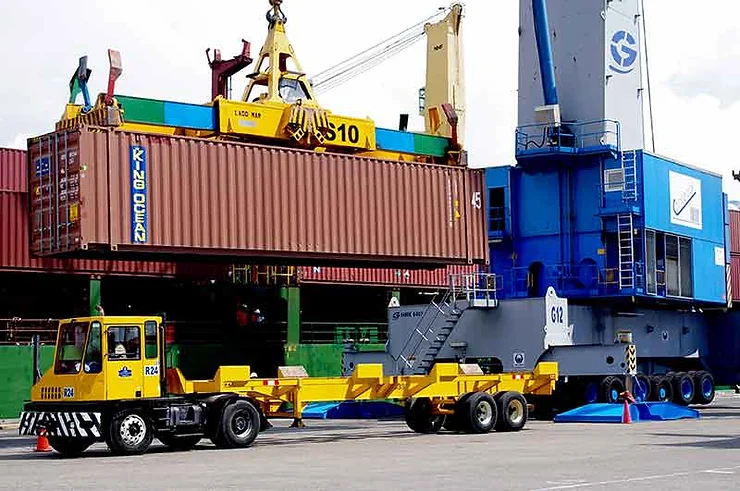
Most cargo providers do more than just transport. Many also offer:
- Pickup from your warehouse or supplier
- Storage and warehousing
- Packing and labeling
- Customs clearance and paperwork
- Live shipment tracking
- Final delivery to the customer
Think of them as your shipping department, without the cost of building one yourself.
How Cargo Services Support Business Growth
Growth means more customers, more orders, and more places to sell. All of that depends on moving goods well. Here is how cargo services help.
1. They Help You Reach New Markets
Online selling has removed many borders. A shop in one city can now sell to buyers in another country. But a sale means nothing if the product can’t reach the buyer.










Cargo services close that gap. They give you a way to ship across cities, regions, and countries. You don’t need to open a branch in each new market. You just need a reliable way to deliver there.
This also opens doors to remote areas. Towns that were hard to reach before can now become paying customers. For a growing business, that is new income without big new costs.
A simple way to start is to test one new market at a time. Ship a small batch, see how buyers respond, then grow from there.
2. They Keep Customers Happy
Customers today expect fast and clear delivery. If an order is late and no one explains why, they rarely buy again.
Good cargo services fix this in three ways:
- Clear delivery dates at checkout
- Live tracking, so customers know where their order is
- Early alerts if something goes wrong
This kind of openness builds trust. When a delay happens, you can tell the customer before they have to ask.
Convenience matters too. Options like door to door cargo for businesses mean the product goes straight from your location to the buyer’s doorstep. No extra trips, no pickup points, no confusion.
Happy customers come back. They also tell others. Over time, smooth delivery becomes one of your best forms of marketing.
3. They Make Daily Operations Smoother
Shipping problems slow everything down. Stock gets stuck, orders pile up, and staff spend hours on calls.
Modern cargo providers use tracking tools that show where every shipment is. This helps you:
- Plan stock better
- Avoid running out of best-selling items
- Stop over-ordering slow items
Many providers also offer warehousing. You can store products closer to your buyers. This means shorter delivery times and lower last-mile costs.
When shipping runs smoothly, your team gets time back. They can spend it on sales, service, and new ideas instead of chasing parcels.
4. They Lower Your Shipping Costs
Shipping is one of the biggest costs for any product business. Cutting it even a little can make a big difference to your profit.
Cargo companies save you money in a few ways:
- Consolidation: Your goods share space with other shipments, so you pay only for the space you use.
- Better routes: Providers plan routes to cut fuel use and travel time.
- Bulk rates: Regular or large shipments usually get lower prices.
The money you save can go into marketing, new products, or hiring. That is how lower costs turn into real growth.
5. They Help You Handle Busy Seasons
Sales go up during holidays, sale events, and festive seasons. If your shipping can’t keep up, you lose orders at the time you need them most.
A cargo partner can add more trucks, space, or staff when demand rises. You don’t have to hire extra people or rent extra storage for a few weeks a year. You scale up when needed and scale back when things calm down.
6. They Take Care of Paperwork and Customs
International shipping comes with rules. Each country has its own forms, duties, and checks. One missing document can hold a shipment at the port for days.
Experienced cargo companies know these rules well. They prepare the documents, handle customs clearance, and keep your goods moving. This cuts the risk of fines, delays, and returned shipments.
For a business new to exporting, this support is often the difference between a smooth first order and a costly mistake.
Types of Cargo Services for Businesses
There are three main ways to move goods. Each one fits a different need.
Air Cargo Services
Air cargo is the fastest option. It works best for:
- Urgent orders
- Perishable goods like food and flowers
- High-value items like electronics and medicine
Air freight is also very reliable for international orders. The downside is price. It costs more than sea or land, so most businesses use it only when speed truly matters.
Sea Cargo Services
Sea cargo is the most cost-effective choice for businesses shipping large or heavy goods overseas. Ships can carry huge volumes in a single trip.
It is ideal for furniture, machines, raw materials, and bulk stock. The trade-off is time. Sea shipments can take weeks, so they suit goods that don’t spoil and orders you can plan ahead.
Land Cargo Services
Land cargo moves goods by road or rail. It is the go-to option for local and regional delivery.
It is fairly quick, affordable, and flexible. Trucks can reach small towns and remote areas that planes and ships can’t. Land cargo also makes door-to-door delivery easy, which is why most last-mile delivery happens by road.
Air vs Sea vs Land Cargo: Quick Comparison
| Mode | Speed | Cost | Best For |
| Air | Fastest (hours to a few days) | Highest | Urgent, perishable, and high-value goods |
| Sea | Slowest (weeks) | Lowest per unit | Bulk and heavy goods, planned stock |
| Land | Medium (same day to a few days) | Low to medium | Local, regional, and door-to-door delivery |
Many businesses mix all three. For example, stock might travel by sea to a regional warehouse, then go by truck to customers. Urgent restocks can go by air.
How to Choose the Right Cargo Partner
Not every cargo company will suit your business. Before you sign up, check these points:
- Track record: How long have they been operating? Ask for reviews or client references.
- Coverage: Do they deliver to the places where your customers are?
- Tracking: Can you and your customers follow shipments in real time?
- Clear pricing: Ask for a full quote, including fuel charges, customs fees, and handling costs.
- Insurance: Find out what happens if goods are lost or damaged.
- Customer support: Can you reach a real person quickly when there’s a problem?
- Room to grow: Can they handle more volume as your business grows?
One practical tip: start with a small trial shipment. It shows you how the company works in real life, not just in its sales pitch.
Common Cargo Mistakes Businesses Should Avoid
Even a good cargo partner can’t fix poor planning. Watch out for these common errors:
- Choosing on price alone: The cheapest option often costs more later through delays and damage.
- Poor packing: Weak packing leads to broken goods and unhappy buyers.
- Wrong or missing documents: This is one of the top reasons shipments get stuck at customs.
- No backup plan: Always know what you will do if a shipment is late during a busy season.
- Ignoring customer updates: Silence during a delay hurts trust more than the delay itself.
Frequently Asked Questions
How do cargo services help small businesses grow?
They let small businesses sell in new cities and countries without big investments. You pay only for what you ship, and the cargo company handles transport, storage, and paperwork.
Which cargo service is the cheapest?
Sea cargo is usually the cheapest per unit for large and heavy shipments. For local delivery, land cargo is often the most affordable.
Which cargo service is the fastest?
Air cargo is the fastest. It is the best choice for urgent or perishable goods.
What is door-to-door cargo?
The cargo company picks up goods from your location and delivers them straight to the receiver’s address. You don’t need to arrange a separate pickup or drop-off.
Do I need a cargo partner for international shipping?
Not strictly, but it helps a lot. Customs rules and paperwork are complex. An experienced partner reduces delays and the risk of fines.
Conclusion
Cargo services do much more than move boxes. They help you reach new markets, keep customers happy, run smoother operations, and cut costs. All of these add up to steady business growth.
The key is choosing the right mode and the right partner. Use air when speed matters, sea for bulk, and land for local delivery. Then work with a cargo company that is reliable, clear on pricing, and ready to grow with you.
Get your shipping right, and your business will have one less thing holding it back.
